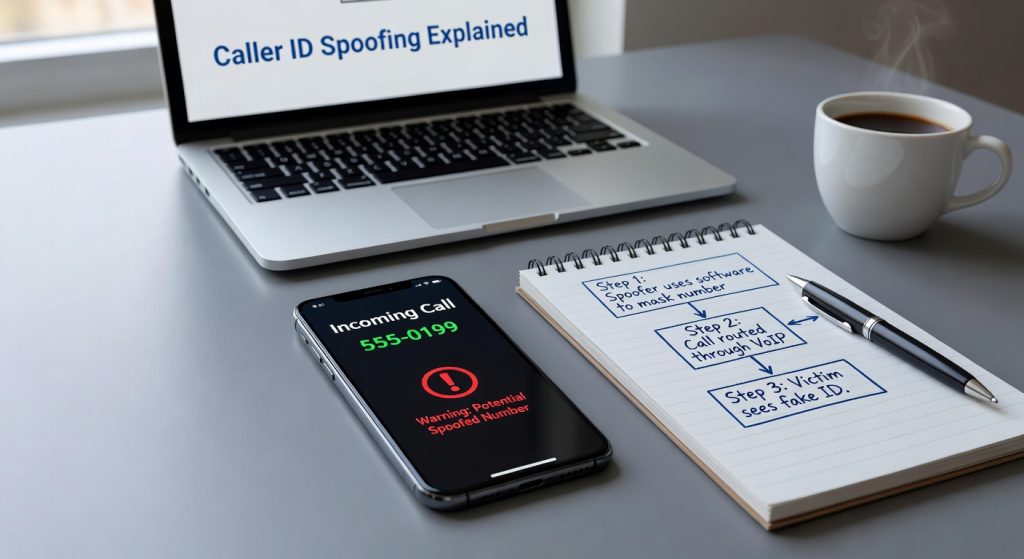
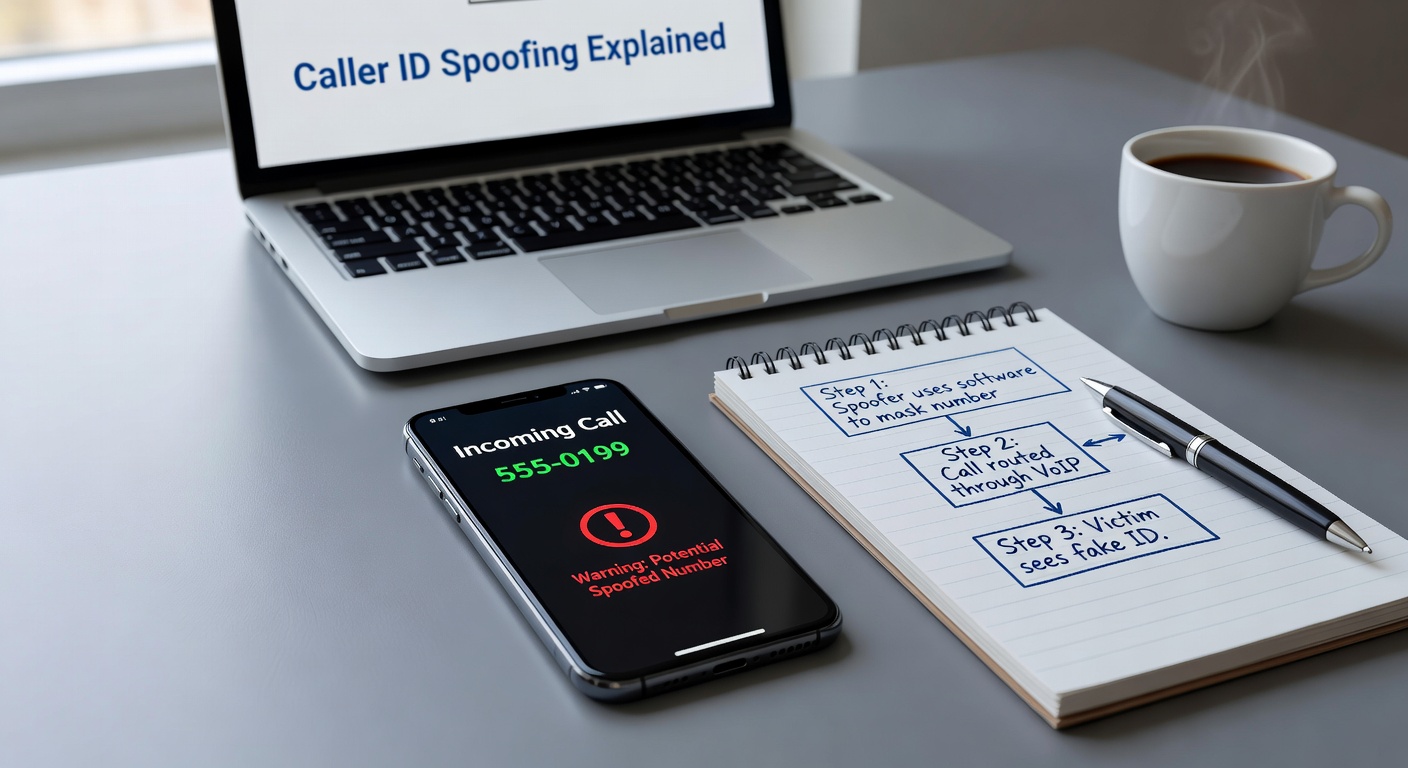
Understanding Caller ID Spoofing
Caller ID spoofing is a deceptive technique used by fraudsters to manipulate the caller identification information that appears on a recipient’s phone display. This tactic allows the caller to disguise their real phone number, often making it appear as though the call is coming from a trusted or familiar source. The primary goal of caller ID spoofing is to trick individuals into answering calls and divulging sensitive information that could be used for phone fraud or other malicious purposes.
At its core, caller ID spoofing works by altering the metadata that is transmitted during a phone call. Normally, when someone makes a call, the caller ID system sends the caller’s actual phone number to the recipient’s device. However, with spoofing techniques, this information is replaced or masked with a fabricated number. The technology to do this is readily available and can be easily exploited by cybercriminals using various apps and online services tailored for spoofing purposes.
Fraudsters deploy several common spoofing techniques to enhance the effectiveness of their scams. One popular method is “neighbor spoofing,” where the attacker mimics the area code and prefix of the target’s phone number, causing the call to appear as if it is coming from a local and familiar source. This increases the likelihood that the recipient will answer the call. Another approach is “name spoofing,” which manipulates the caller ID display to show an actual name—such as a bank or government agency—rather than a number, lending an air of legitimacy to the call.
Additionally, scammers often use VoIP (Voice over Internet Protocol) technology to make spoofed calls from anywhere in the world with minimal cost and without easy traceability. This flexibility makes it challenging for individuals and security systems to identify and block fraudulent calls effectively. As a result, caller ID spoofing remains a prevalent tactic in phone fraud schemes, requiring heightened awareness and caution when receiving unexpected or suspicious calls.
How Caller ID Spoofing Operates
Caller ID spoofing is a deceptive technique used in phone scams to disguise the true origin of a call. The core of the spoofing operation involves manipulating the caller ID information that appears on the recipient’s phone. Instead of showing the scammer’s real number, spoofing methods allow the fraudster to display a trusted or familiar number, such as a bank, government agency, or even a local business.
Technically, spoofing operates by exploiting vulnerabilities in the telephone network protocols, especially in Voice over Internet Protocol (VoIP) systems. Scammers use software or VoIP service providers that permit them to set any number as the outgoing caller ID. This manipulation is often done through SIP (Session Initiation Protocol) messages that establish calls and transmit caller ID details.
Once the scammer sets a fake caller ID, the phone system relays this information to the recipient’s device, making it appear as though the call is coming from a legitimate source. This method lends credibility to the scam call, increasing the likelihood the target will answer and trust the caller. Spoofing methods vary in sophistication, from simple number substitution to advanced techniques that mimic entire phone networks.
In summary, phone scam artists rely on these spoofing operations to mask their identity effectively, making detection difficult and manipulating recipients into responding to fraudulent requests or divulging sensitive information.
Common Uses of Caller ID Spoofing in Fraud
Caller ID spoofing is a deceptive tactic frequently exploited in a variety of fraudulent calls, making it a prevalent tool for scammers aiming to conceal their true identities. By manipulating the caller ID to display a trusted or familiar number, fraudsters gain an advantage in their efforts to deceive unsuspecting victims. This form of identity deception is notably employed in phishing scams, where the spoofed caller ID appears as a legitimate institution such as a bank or government agency. Such calls typically aim to extract sensitive information like passwords, credit card details, or social security numbers by creating a false sense of urgency or authority.
Impersonation is another common scenario where caller ID spoofing is skillfully used. Scammers often pose as relatives, friends, or company representatives to exploit trust and manipulate targets into providing money or confidential information. These scam calls can be particularly convincing because the caller appears to be someone the recipient knows, further facilitating the fraud.
Other fraudulent calls involving caller ID spoofing include fake debt collection, lottery and prize scams, and tech support fraud. Each of these schemes relies heavily on the illusion of legitimacy created by falsified caller information, highlighting the critical need for vigilance. Recognizing the hallmark signs of caller ID spoofing and maintaining skepticism towards unexpected or unsolicited requests can help reduce the risk posed by these increasingly sophisticated scams.
Booking Security Risks Associated with Caller ID Spoofing
Caller ID spoofing presents significant booking security challenges in industries such as travel, hospitality, and events. This deceptive practice allows fraudsters to disguise their phone numbers, making it appear as though calls come from a trusted source. As a result, booking systems can fall victim to a range of reservation fraud schemes that exploit this vulnerability.
One of the primary security risks involves unauthorized access to booking systems. When criminals use caller spoofing threats to impersonate legitimate clients or partners, they can manipulate reservation details or gain entry to sensitive customer information. This jeopardises both client privacy and the integrity of the booking database, potentially leading to widespread data breaches.
Furthermore, spoofed calls may result in fraudulent reservations being made or legitimate bookings being cancelled without proper authorisation. Such reservation fraud can cause financial losses, disrupt event planning, and undermine trust in the service provider. Hotels, airlines, and event organisers are particularly vulnerable, as their systems often rely heavily on telephonic verification and confirmations.
Another key risk is operational disruption. Caller spoofing threats can overwhelm booking hotlines with fake calls or pressure staff to bypass standard security protocols, facilitating social engineering attacks. This strains customer service teams and increases the chances of human error when processing bookings, compounding both security and customer experience issues.
Addressing these security risks requires robust caller authentication measures and staff training to recognise spoofing attempts. Integrating technology solutions such as call-back verification and multi-factor identity checks can help mitigate the effects of caller ID spoofing. Travel and hospitality businesses must prioritise securing their booking systems to protect against reservation fraud and maintain customer confidence.
Impact on Hospitality and Travel Bookings
Caller ID spoofing presents significant risks to the hospitality and travel industries, particularly when it comes to hotel bookings and travel reservations. Fraudsters use spoofed calls to impersonate legitimate customers or travel agents, making it easier to manipulate booking systems and secure unauthorized reservations. This booking fraud can lead to fraudulent confirmations of hotel stays or travel plans, which undermine the security and reliability of booking platforms.
The consequences of such spoofing risks are severe. Hotels and travel companies might suffer financial losses when victims realize their reservations were fraudulent and refuse to pay. Additionally, genuine customers may be displaced or face disruptions due to overbooked or manipulated reservations. This erodes trust in service providers and increases operational costs as businesses must implement stricter verification processes to combat booking fraud.
Moreover, spoofed calls can provide fraudsters access to sensitive personal and payment information, exacerbating the impact of booking fraud. The resulting damage includes not only direct financial harm but also the loss of customer confidence and potential legal liabilities. Protecting against these spoofing risks is essential for maintaining smooth operations and safeguarding both businesses and customers in the hospitality and travel sectors.
Event and Ticketing Booking Vulnerabilities
Event bookings are increasingly targeted by scammers exploiting booking vulnerabilities through caller ID spoofing. By manipulating the caller ID to appear as a legitimate ticket agency or event organizer, fraudsters deceive customers into sharing sensitive information or making payments through unauthorized channels. These spoofed calls create a false sense of trust, making victims more likely to comply with fraudulent requests.
The consequences of such ticket fraud are significant, affecting both consumers and event providers. Fraudulent transactions may lead to unpaid tickets, leaving legitimate customers without access to events they paid for. Moreover, these scams undermine the credibility of event booking platforms and damage customer confidence, potentially reducing future sales.
Scammers often exploit booking vulnerabilities by targeting high-demand events where the urgency to secure tickets is high. They may pose as customer service representatives, offering fake discounts or urgent confirmation requests. Since the caller ID appears authentic, verifying the legitimacy of the call becomes difficult, increasing the risk of successful fraud.
To counteract these risks, event organizers and ticketing services must implement robust verification measures and educate customers about the dangers of caller ID spoofing. Technologies such as multi-factor authentication, secure payment gateways, and caller ID verification tools can help reduce booking vulnerabilities and protect against ticket fraud.
Mitigating Caller ID Spoofing and Enhancing Booking Security
Caller ID spoofing poses significant risks to businesses, especially those that rely heavily on phone bookings. Implementing effective mitigation strategies and booking security measures is crucial to safeguard against fraud and unauthorized access. Below are practical steps and technologies that businesses can adopt to reduce the risks associated with caller ID spoofing while enhancing overall booking security.
- Implement Anti-Spoofing Technologies: Deploy solutions such as STIR/SHAKEN protocols that validate the authenticity of incoming calls. These technologies help verify the caller’s identity, significantly reducing the chances of spoofed calls reaching your booking systems.
- Use Multi-Factor Authentication (MFA) for Booking: Require customers to verify their identity using an additional factor such as SMS codes or email confirmations. This extra step ensures that bookings are authentic and not made by fraudulent callers impersonating legitimate customers.
- Monitor and Analyze Call Patterns: Utilize advanced call analytics tools to identify abnormal calling patterns that may indicate spoofing attempts. Early detection through monitoring helps to proactively block suspicious calls before they affect booking security.
- Educate Staff and Customers: Train employees to recognize signs of caller ID spoofing and phishing calls. Inform customers about potential spoofing risks and encourage them to confirm bookings through secure channels.
- Integrate Secure Booking Platforms: Use booking systems with built-in fraud prevention features that flag unusual booking behaviors or multiple bookings from suspicious numbers. This integration helps mitigate risks and ensures bookings remain secure.
- Regularly Update Security Protocols: Keep all phone systems, software, and anti-spoofing tools up to date with the latest security patches and improvements. Regular updates strengthen your defenses against emerging spoofing techniques.
- Implement Call Back Verification: When receiving a booking request, consider calling back the customer on a verified number to confirm the reservation. This process adds an extra layer of verification that can prevent fraudulent bookings.
- Collaborate with Telecom Providers: Work closely with your telecom service providers to leverage their advanced fraud prevention measures and report spoofing incidents. Providers can assist in blocking or tracing spoofed calls efficiently.
By adopting these mitigation strategies and booking security measures, businesses can significantly reduce the threat of caller ID spoofing and ensure the integrity of their booking systems. Prioritizing anti-spoofing technologies and fraud prevention efforts creates a safer experience for both businesses and customers.
Technological Solutions Against Spoofing
To combat the increasing threat of caller ID spoofing, modern telecommunications have adopted advanced technological protocols such as STIR/SHAKEN. These protocols play a critical role in call authentication, aiming to verify the legitimacy of calls and reduce fraudulent activities effectively. STIR (Secure Telephony Identity Revisited) and SHAKEN (Signature-based Handling of Asserted information using toKENs) work together to enable service providers to digitally sign calls, confirming that the caller ID information has not been tampered with or spoofed.
When a call is initiated, STIR/SHAKEN protocols generate a digital signature that accompanies the call metadata. The receiving network can then authenticate this signature to ensure the call’s origin matches the claimed caller ID, enhancing trust and transparency for the end-user. This anti-spoofing tech helps to significantly reduce the chances of scam calls, robocalls, and phishing attempts that utilize fake caller IDs to deceive recipients.
Moreover, the implementation of STIR/SHAKEN has encouraged the development of additional call authentication methods and anti-spoofing tech, improving call security across networks globally. Although it is not an all-encompassing solution, this protocol framework is pivotal in the ongoing fight against spoofing by empowering carriers and consumers alike to identify and block illegitimate calls, thereby protecting booking security and personal data.
Best Practices for Booking Security
To effectively combat the risks posed by caller ID spoofing, businesses must implement stringent security protocols for booking verification and customer authentication. A multi-layered approach is essential for reducing fraud and ensuring legitimate transactions.
First, establish clear verification protocols before confirming any booking. This can include requiring customers to provide unique identifiers such as booking reference numbers or passwords, which can be cross-checked against your system. Additionally, utilizing callbacks to the customer’s registered phone number or sending confirmation links via SMS or email helps verify the authenticity of the booking request.
Customer authentication should also involve asking targeted security questions that only the legitimate customer would know. This additional step helps to thwart attempts by fraudsters using spoofed numbers. Incorporating biometric verification options where possible offers enhanced protection against impersonation.
Furthermore, training staff to recognize suspicious behaviors and irregular booking patterns is vital. Regularly updating and auditing your security protocols ensures they adapt to evolving spoofing tactics. Technology solutions such as voice recognition software or two-factor authentication can be integrated for higher security assurance.
Ultimately, a combination of robust booking verification and customer authentication dramatically reduces the risk of fraud caused by spoofing, protecting both businesses and their customers.

I have always been fascinated by the sociology of companionship and the complex dynamics of personal connection within the adult industry. My focus is on providing clear, respectful insights that prioritise safety and transparency for clients and providers alike. I believe in approaching this topic with a genuine curiosity and a non-judgmental perspective.