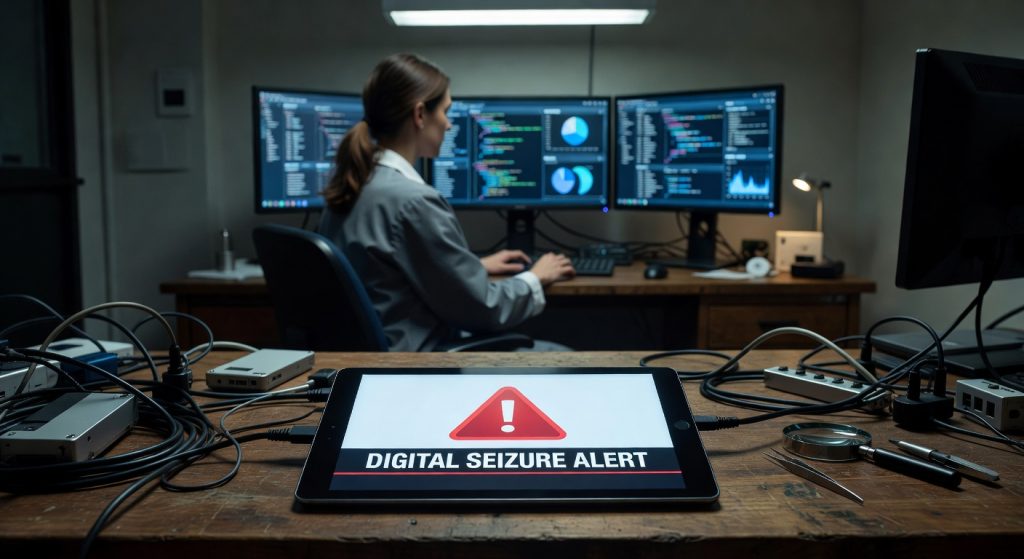
Understanding Device Seizure in Digital Investigations
Device seizure is a critical step in digital investigations, where digital devices such as computers, smartphones, tablets, and storage media are confiscated by law enforcement or forensic teams to preserve potential evidence. This process is designed to ensure that digital evidence is collected, secured, and analyzed properly to support investigative and legal proceedings. The importance of device seizure lies in its ability to maintain the integrity and authenticity of the evidence, which is essential for forensic analysis and eventual presentation in court.
The process of device seizure begins with establishing a legal basis, typically through obtaining search warrants or court orders that authorize the confiscation of digital devices. This legal foundation safeguards against unlawful searches and seizures, protecting individuals’ rights while allowing investigators to collect evidence relevant to criminal activity. Once authorized, trained forensic experts take custody of the devices, following strict protocols to prevent any alteration or damage to the data.
During the seizure, meticulous documentation is conducted, including the recording of device details, time stamps, and chain of custody records. This documentation is vital for proving that the evidence has not been tampered with from the moment of seizure until it is presented in court. Investigators typically use write-blocking tools to access the device’s data without modifying it, preserving the original state of digital information for forensic analysis.
Device seizure holds significant importance in digital investigations as it enables forensic analysts to extract and analyze data that could reveal crucial insights into illicit activities, including communications, files, logs, and metadata. This evidence can be indispensable in linking suspects to crimes, understanding modus operandi, and uncovering additional leads. Without proper seizure and handling, digital evidence risks being rendered inadmissible, potentially jeopardizing the entire investigation.
In summary, understanding device seizure in digital investigations is fundamental for ensuring that evidence collection is conducted lawfully and effectively. The combination of legal authorization, systematic processes, and professional forensic analysis works together to uphold justice and enhance the success of investigations involving digital evidence.
Legal Framework Governing Device Seizure
The legal framework surrounding device seizure in the UK is governed by a combination of laws and regulations designed to balance law enforcement needs with privacy rights. Central to this framework is the requirement for warrants, which must be obtained before any device can be lawfully seized. Warrants are typically issued under the Police and Criminal Evidence Act 1984 (PACE), ensuring that seizures are justified and proportionate.
Device seizure laws emphasize the importance of safeguarding individuals’ privacy rights throughout the process. The Human Rights Act 1998 and the Data Protection Act 2018 provide essential protections against unlawful searches and seizures, reinforcing that any interference with privacy must be legally justified. These rights ensure that personal data contained on devices is respected and handled appropriately.
Furthermore, the Investigatory Powers Act 2016 outlines additional measures for accessing digital evidence, detailing conditions under which authorities can intercept or acquire information. Together, these laws construct a robust legal framework that guides authorities on how to conduct device seizures in a manner compliant with legal standards, minimizing the risks to privacy while enabling effective investigation and evidence collection.
Procedural Best Practices for Seizing Devices
Following best practices during the device seizure procedure is critical for ensuring the integrity and admissibility of digital evidence. Proper handling of digital evidence begins with a methodical approach that preserves the original state of the device and maintains a clear chain of custody throughout the process.
- Secure the scene to prevent any unauthorized access or tampering with devices before seizure.
- Document all devices present, including type, model, and condition, using photographs and written notes to establish context.
- Wear gloves and use anti-static equipment to avoid contaminating or damaging the device and its data.
- Power off devices only if necessary and after understanding the consequences, as some devices may lose volatile data when shut down.
- Label each device clearly with unique identifiers and record all pertinent details to maintain a precise chain of custody.
- Use proper evidence bags or containers that protect devices from environmental factors such as moisture, magnetic fields, or physical shocks.
- Transport devices securely to forensic labs promptly and log their movement meticulously to uphold the chain of custody.
- Follow established protocols for handling digital evidence during all stages to avoid data corruption or loss.
- Ensure that all personnel involved in the seizure and handling are trained and aware of the device seizure procedure.
By adhering to these recommended steps and protocols, investigators can effectively seize and preserve digital devices, protecting the integrity of the evidence and facilitating successful legal proceedings.
Risks Associated with Digital Evidence Handling
Handling digital evidence involves numerous risks that can compromise the integrity of an investigation. One of the primary digital evidence risks is data corruption, which may occur during the collection, transfer, or storage of electronic information. Corruption can render critical evidence unusable or lead to misinterpretation, affecting case outcomes. To mitigate this risk, it is essential to use verified forensic tools and follow strict protocols that ensure data integrity during every step of the evidence handling process.
Another significant risk is tampering, where unauthorized individuals alter or manipulate digital evidence to mislead or obstruct justice. Tampering can be intentional or accidental, making it imperative to establish a secure chain of custody. This procedural safeguard documents every person who handles the evidence, thereby deterring interference and ensuring accountability. Employing encrypted storage and access controls further protects against tampering.
Preservation of evidence is critical in maintaining its admissibility in court. Without proper preservation, digital evidence can degrade or be lost over time due to hardware failures or environmental conditions. Techniques such as creating bit-by-bit forensic images and storing original data in write-protected environments help preserve the authenticity of evidence. Additionally, maintaining detailed logs of the preservation process contributes to transparency and defensibility.
To comprehensively manage digital evidence risks, organizations should adopt robust policies and ongoing staff training focused on evidence preservation and risk mitigation best practices. Utilizing automated verification techniques like hash matching during evidence acquisition can detect any unintended changes promptly. Combined with regular audits of evidence handling procedures, these strategies create a resilient framework that minimizes risks and safeguards the integrity of digital investigations.
Technical Risks to Digital Evidence Integrity
Digital evidence is highly vulnerable to various technical risks that can compromise its integrity. One of the primary threats is data corruption, which can occur due to software glitches, improper handling, or environmental factors. Corrupted data may lose crucial information, rendering it unreliable in forensic analysis.
Hardware failure is another significant risk. Storage devices such as hard drives, SSDs, or memory cards can malfunction or physically deteriorate over time, leading to partial or total loss of evidence. In forensic investigations, even minor hardware faults can cause irreversible damage to crucial data.
Encryption, while essential for protecting data privacy, introduces challenges in digital forensics. Encrypted evidence may be inaccessible without proper decryption keys or methods. This can delay investigations or prevent retrieval of critical information, especially when dealing with strong or unknown encryption protocols.
Digital forensics specialists must navigate these technical risks carefully to preserve the authenticity and usability of digital evidence. Ensuring proper handling procedures, using robust recovery tools, and having expertise in decryption techniques are vital strategies to mitigate these threats. Understanding the complexities involved helps maintain the reliability of evidence throughout the investigative process.
Legal and Ethical Risks in Evidence Management
Managing digital evidence involves navigating complex legal risks and ethical issues that can profoundly impact the outcome of investigations and prosecutions. One critical legal risk is evidence tampering, which not only jeopardizes the integrity of the evidence but can also lead to severe legal consequences for those involved. Ensuring compliance with stringent chain-of-custody protocols is essential to safeguard against accusations of mishandling or falsification. Failure to maintain these standards may result in evidence being deemed inadmissible in court.
Ethical issues arise when there is a conflict between the duty to preserve evidence and the rights of individuals, such as privacy concerns and unauthorized data access. Investigators must balance the need for thorough evidence collection with respect for legal boundaries and ethical standards. This includes avoiding actions that could be perceived as invasive or unjust, which may harm the credibility of the case and the professionals involved.
Compliance with established legal frameworks and organizational policies is vital throughout the evidence handling process. This involves continuous training and awareness to mitigate risks, enforce accountability, and promote transparency. Ultimately, recognizing and addressing these legal and ethical risks helps maintain the reliability and legitimacy of digital evidence, supporting fair and just proceedings.
Mitigating Risks and Ensuring Digital Evidence Integrity
To effectively mitigate risks associated with digital evidence, it is essential to implement robust security measures and follow established digital forensics protocols. These practices play a pivotal role in preserving evidence integrity from the moment devices are seized until their final analysis, minimizing the risk of data tampering or loss.
One of the primary risk mitigation strategies is ensuring a secure chain of custody. This involves documenting every individual who handles the digital evidence and using tamper-evident seals on all storage containers. By applying these security measures, forensic teams can guarantee that evidence remains unaltered and admissible in legal proceedings, maintaining confidence in its authenticity.
Advanced technologies are also employed to protect digital evidence integrity. Write-blocking devices, for instance, prevent any changes to the data when accessing storage media, enabling investigators to safely extract information without risking contamination. Additionally, hashing algorithms are applied to create unique digital fingerprints of the evidence, allowing forensic experts to verify that the data remains unchanged during the investigation process.
Adhering to strict digital forensics protocols is crucial. This includes performing acquisition in a controlled environment and using verified forensic tools designed specifically for evidence handling. By following these protocols, forensic examiners reduce the risk of introducing errors or compromising data, thus upholding the integrity and reliability of the evidence throughout the investigative workflow.
Furthermore, ongoing training and awareness for personnel involved in evidence handling enhance the effectiveness of risk mitigation. When investigators and technicians understand the significance of preserving evidence integrity and are proficient in using security measures, the likelihood of accidental data corruption or procedural lapses significantly decreases.
Implementing a combination of procedural vigilance, technological safeguards, and continuous education forms the cornerstone of protecting and preserving digital evidence integrity. Together, these efforts create a resilient framework that supports the reliability of digital forensics and the pursuit of justice.
Implementing Robust Forensic Procedures
Structured forensic procedures are essential to minimizing risks during evidence handling in digital investigations. Establishing clear standard operating procedures ensures that every step, from initial seizure to analysis, is executed methodically and consistently. These workflows reduce errors and contamination risks, helping maintain the integrity and admissibility of digital evidence.
Training plays a critical role in reinforcing these forensic procedures. Personnel involved in evidence handling must be thoroughly trained in both the theoretical and practical aspects of forensic workflows. This training covers the correct use of tools, documentation practices, chain of custody maintenance, and recognizing potential evidence tampering or loss points. Well-trained teams are more adept at following protocols that safeguard the evidence and comply with legal requirements.
By integrating structured forensic procedures with comprehensive training, organizations can significantly reduce the risks associated with digital evidence handling. Adhering to established standard operating procedures creates a disciplined environment where mistakes are less likely, and deviations can be quickly identified and corrected. This disciplined approach also supports transparency and accountability throughout the investigation process.
In sum, prioritizing robust forensic procedures combined with ongoing training equips digital forensic teams to handle evidence securely and effectively. It ensures that evidence retains its probative value, thereby upholding the credibility of the forensic process and supporting successful legal outcomes.
Technological Solutions for Evidence Protection
In the realm of digital forensics, protecting evidence from tampering and data loss is paramount. Modern digital forensics tools play a crucial role in ensuring the integrity and security of electronic evidence throughout the investigative process. Encryption is one of the most effective technological measures used to safeguard sensitive data, preventing unauthorized access and maintaining confidentiality.
Another vital aspect of evidence protection is evidence tracking, which involves using specialized software solutions to monitor the chain of custody. These tools log every access, transfer, and handling of digital evidence, creating an audit trail that is essential for maintaining legal admissibility in court. By documenting each interaction with the evidence, investigators can verify its authenticity and reduce the risk of tampering.
Software solutions designed for evidence management often integrate encryption protocols and tracking features, providing a comprehensive defense against data corruption or loss. Additionally, some platforms offer real-time alerts and automated backup functions to further protect valuable forensic data. Employing such technologies not only enhances the reliability of digital investigations but also streamlines the workflow for forensic professionals.
In summary, the combination of advanced digital forensics tools, robust encryption, meticulous evidence tracking, and dedicated software solutions forms a cornerstone of modern evidence protection strategies. These technological advancements help ensure that digital evidence remains authentic, secure, and readily verifiable, supporting effective justice outcomes.

I have always been fascinated by the sociology of companionship and the complex dynamics of personal connection within the adult industry. My focus is on providing clear, respectful insights that prioritise safety and transparency for clients and providers alike. I believe in approaching this topic with a genuine curiosity and a non-judgmental perspective.