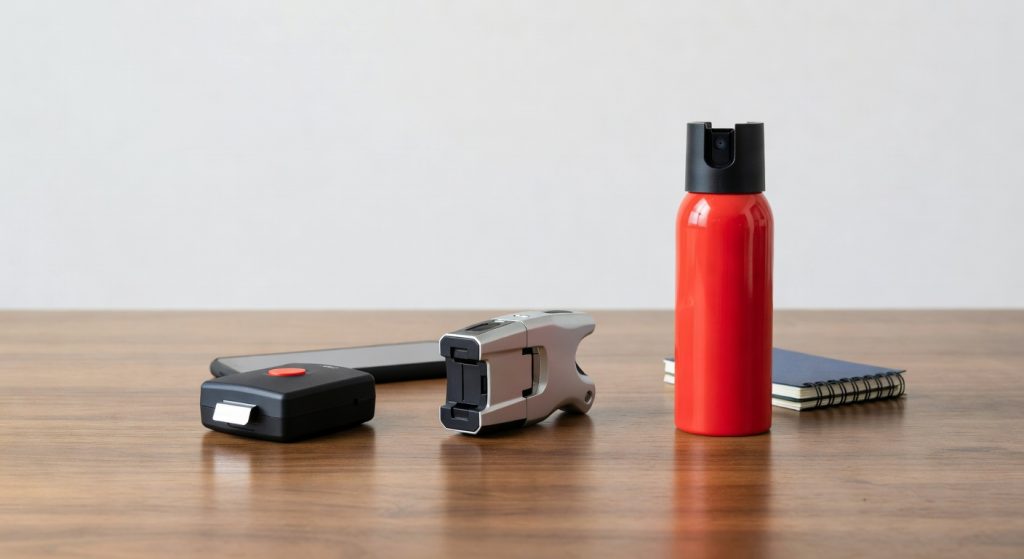
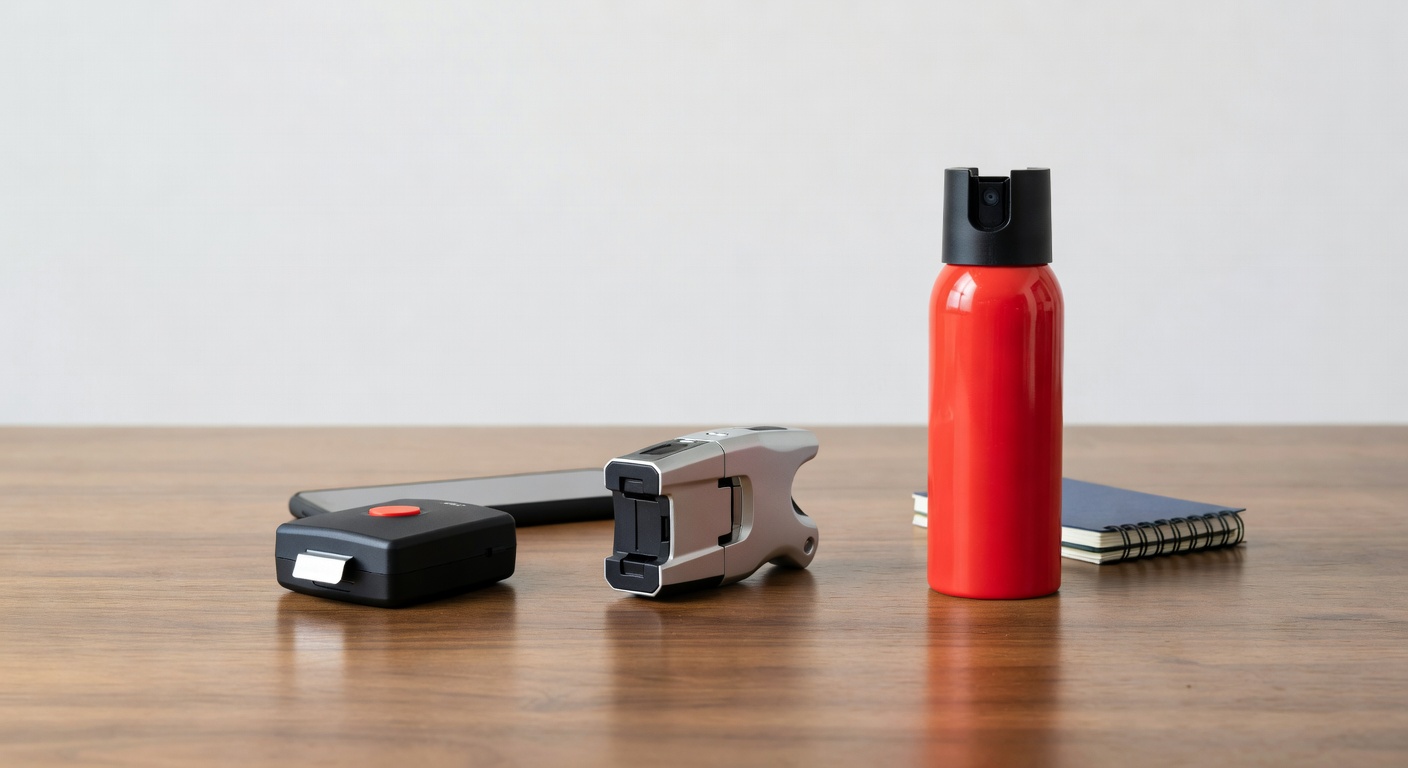
Moreover, the constant availability of safety devices can psychologically empower escorts, as they feel more in control of their surroundings. This boost in confidence is not only beneficial to their peace of mind but also improves their professional demeanor, making client interactions smoother and less stressful.
Ultimately, the integration of personal safety devices into an escort’s routine enhances their overall security strategy. By prioritizing protection and minimizing potential dangers, these tools help create a safer work environment, allowing escorts to focus more on their service while feeling protected and supported.
Adoption Trends and Challenges Among Escorts
The adoption rates of personal safety devices within the escort industry have seen significant growth in recent years, reflecting a broader trend of technology acceptance among professionals in this field. Escorts increasingly recognize the value of these devices as essential tools for enhancing personal security and managing risks associated with their work. However, despite the growing popularity, the extent of adoption varies widely across different segments of the escort community.
Key factors influencing technology acceptance include the perceived reliability of the devices, ease of use, and integration with other safety measures already in place. For many escorts, personal safety devices such as GPS trackers, emergency alert systems, and mobile safety apps offer an accessible way to maintain a secure working environment, allowing them to communicate alerts promptly and discreetly. The rising awareness about personal safety, driven by advocacy groups and industry professionals, has also played a significant role in encouraging uptake.
However, several barriers continue to challenge widespread adoption. Cost remains one of the primary obstacles, especially for escorts who operate independently without organizational support. Concerns about privacy and data security also impact willingness to use certain technologies, with some fearing that device usage could lead to unwanted surveillance or exposure of sensitive information. Additionally, there is a degree of skepticism about the effectiveness of some personal safety devices, particularly those requiring complex setup or relying heavily on external support services.
Escort industry trends suggest that overcoming these barriers will be crucial to enhancing adoption rates further. Tailoring devices specifically for the escort community, with features that address privacy, affordability, and ease of access, is seen as a promising direction. Moreover, education around proper usage and benefits of these technologies can help build trust and encourage a cultural shift towards embracing personal safety innovations more confidently.
In conclusion, while personal safety devices are becoming increasingly common among escorts, the rate of adoption is shaped by a complex interplay of positive acceptance trends and persistent barriers. Continued developments in technology combined with focused efforts to address industry-specific concerns will likely accelerate integration of these essential tools in the future, fostering safer working conditions across the sector.
Barriers to Adoption of Safety Devices
Despite the clear benefits of personal safety devices, escorts often face several barriers to adopting these technologies. Privacy concerns top the list, as many worry that using safety devices could inadvertently expose their location or identity, potentially compromising their confidentiality in a profession that values discretion. Ensuring that these devices have robust data protection and anonymous operation is crucial to easing such fears.
Cost is another significant challenge. Quality safety devices can be prohibitively expensive, especially for those starting out or working independently without employer support. The upfront price, alongside potential subscription fees for monitoring services, can deter many from investing in these essential tools. Affordable, reliable options are necessary to improve accessibility.
Device usability also plays a critical role. Escorts often lead dynamic lifestyles that require quick and easy access to safety features. Complex gadgets with cumbersome set-up or confusing interfaces reduce the likelihood of consistent use. It is essential that manufacturers design devices prioritising user-friendly operation, ensuring that anyone can activate safety features swiftly in emergencies.
Lastly, social stigma around personal safety devices can influence adoption rates. Some escorts may feel that relying on such technology implies vulnerability or weakness, which conflicts with the persona they wish to convey professionally. Addressing this stigma through education and normalising safety device use as a standard precaution can empower more escorts to prioritise their wellbeing without fear of judgement.
Influence of Technology and Advocacy
Advancements in technology have played a pivotal role in shaping the landscape of personal safety devices within the escort industry. Modern innovations such as GPS tracking, discreet panic buttons, and mobile safety apps have made it easier for escorts to protect themselves effectively. These technological advances not only enhance real-time safety but also provide greater peace of mind, encouraging wider adoption of such devices. As the industry evolves, technology continues to bridge the gap between personal security and accessibility, making sophisticated safety tools more user-friendly and affordable.
Alongside technological progress, industry advocacy has significantly contributed to raising awareness and education about personal safety devices. Advocacy groups within the escort community are championing safety campaigns that emphasize the importance of proactive measures. These campaigns frequently focus on educating members about the benefits, usage, and maintenance of safety technology, fostering a culture of vigilance and empowerment. By pushing for better safety standards and spreading knowledge, advocacy efforts help normalize the adoption of these tools, reducing stigma and encouraging open conversations around personal security.
Together, technology advances and industry advocacy create a synergistic effect that drives higher adoption rates of personal safety devices. Continuous education and outreach ensure that escorts are well-informed about the latest safety solutions and how to integrate them into their daily routines. As campaigns gain momentum, the escort community becomes better equipped to protect itself, ultimately enhancing overall wellbeing and professional confidence in an often-challenging environment.
Best Practices for Escort Safety with Personal Devices
Incorporating personal safety devices into escort safety protocols is an essential component of effective risk management. To maximize the protective benefits of these devices, escorts should follow best practices that combine technology use with situational awareness and thorough preparation.
First and foremost, it is important to choose devices that are reliable, easy to use, and appropriately tailored to the specific risks associated with escort work. Once selected, escorts should familiarize themselves with all functionalities of their safety devices, including panic buttons, real-time location tracking, and emergency communication features. Regular device testing is key to ensuring operational readiness and avoiding failures during critical moments.
Best practices for device usage tips include always keeping devices charged and accessible throughout appointments. Wearing or carrying safety gadgets in a discreet yet reachable way reduces the risk of losing them or being caught unprepared. Additionally, escorts should consider pairing personal safety devices with other safety measures such as trusted check-in systems with colleagues or security apps that provide instant alerts to emergency contacts.
Embedding personal safety devices into escort safety protocols also involves integrating them with broader risk management strategies. This means combining technological tools with personal judgment, client screening processes, and maintaining clear boundaries. Effective communication plays a pivotal role—letting someone trusted know your schedule and location enhances security and improves the chances of rapid help if needed.
Lastly, staying informed about the latest advances in personal safety technology and actively seeking community feedback can help escort professionals update and refine their safety approaches. Adopting a proactive mindset towards personal safety device use fosters empowerment, reduces vulnerabilities, and ultimately supports a safer work environment.
Integrating Safety Devices into Daily Routines
For escorts, making safety a seamless part of their daily work routine is essential for consistent protection without disruption. The first step is device integration—choosing personal safety devices that are unobtrusive and easy to carry throughout the day. Compact alarms, wearable GPS trackers, and discreet communication gadgets are examples that blend naturally into everyday attire and activities.
Next, habit formation plays a crucial role in ensuring these tools are used consistently. Escorts should develop clear habits such as checking and charging devices at the start and end of each day, and incorporating device activation into their client meeting preparations. By turning these actions into automatic steps in their workflow, escorts can enhance their daily safety routine effortlessly.
Consistent usage is key to maximising protection. It’s important that safety devices are not just carried but actively used during vulnerable moments, such as when entering a client’s location or during travel. Reminders via phone alerts or visual cues can help reinforce device usage, ensuring that safety remains a priority even during busy schedules.
Ultimately, by focusing on simple, repeatable actions and selecting devices that integrate smoothly into everyday life, escorts can fortify their personal safety. This practical approach supports both peace of mind and enhanced protection without interfering with their professional responsibilities.
Training and Maintenance of Devices
Proper training is essential for effective use of personal safety devices among escorts. Knowing how to operate these devices correctly ensures that they can be activated swiftly and confidently in critical situations. Training not only covers the basic functions but also acclimates users to respond under stress, enhancing their overall safety. Without comprehensive training, even the most advanced device may fail to provide the intended protection.
Equally important is regular device maintenance. Personal safety devices must undergo consistent functionality checks to guarantee they are operational when needed most. This includes routine inspection of batteries, signal strength, and any wearable components to confirm readiness. Neglecting maintenance can lead to device failure, leaving individuals vulnerable in emergencies.
Integrating training and device maintenance fosters a culture of preparedness among escorts, ensuring that every safety device is reliable at all times. This combined approach enhances confidence in the tools used daily and significantly reduces risks. Prioritizing both elements promotes sustained device readiness, which is vital for personal safety in unpredictable environments.
One of the most vital benefits is the immediate protection these devices provide. Whether it’s a panic alarm, GPS tracker, or personal safety app, such tools enable quick alerts to emergency contacts or law enforcement, increasing the chances of timely intervention. This risk reduction is crucial in an industry where personal interaction with strangers is inevitable.
Moreover, the constant availability of safety devices can psychologically empower escorts, as they feel more in control of their surroundings. This boost in confidence is not only beneficial to their peace of mind but also improves their professional demeanor, making client interactions smoother and less stressful.
Ultimately, the integration of personal safety devices into an escort’s routine enhances their overall security strategy. By prioritizing protection and minimizing potential dangers, these tools help create a safer work environment, allowing escorts to focus more on their service while feeling protected and supported.
Adoption Trends and Challenges Among Escorts
The adoption rates of personal safety devices within the escort industry have seen significant growth in recent years, reflecting a broader trend of technology acceptance among professionals in this field. Escorts increasingly recognize the value of these devices as essential tools for enhancing personal security and managing risks associated with their work. However, despite the growing popularity, the extent of adoption varies widely across different segments of the escort community.
Key factors influencing technology acceptance include the perceived reliability of the devices, ease of use, and integration with other safety measures already in place. For many escorts, personal safety devices such as GPS trackers, emergency alert systems, and mobile safety apps offer an accessible way to maintain a secure working environment, allowing them to communicate alerts promptly and discreetly. The rising awareness about personal safety, driven by advocacy groups and industry professionals, has also played a significant role in encouraging uptake.
However, several barriers continue to challenge widespread adoption. Cost remains one of the primary obstacles, especially for escorts who operate independently without organizational support. Concerns about privacy and data security also impact willingness to use certain technologies, with some fearing that device usage could lead to unwanted surveillance or exposure of sensitive information. Additionally, there is a degree of skepticism about the effectiveness of some personal safety devices, particularly those requiring complex setup or relying heavily on external support services.
Escort industry trends suggest that overcoming these barriers will be crucial to enhancing adoption rates further. Tailoring devices specifically for the escort community, with features that address privacy, affordability, and ease of access, is seen as a promising direction. Moreover, education around proper usage and benefits of these technologies can help build trust and encourage a cultural shift towards embracing personal safety innovations more confidently.
In conclusion, while personal safety devices are becoming increasingly common among escorts, the rate of adoption is shaped by a complex interplay of positive acceptance trends and persistent barriers. Continued developments in technology combined with focused efforts to address industry-specific concerns will likely accelerate integration of these essential tools in the future, fostering safer working conditions across the sector.
Barriers to Adoption of Safety Devices
Despite the clear benefits of personal safety devices, escorts often face several barriers to adopting these technologies. Privacy concerns top the list, as many worry that using safety devices could inadvertently expose their location or identity, potentially compromising their confidentiality in a profession that values discretion. Ensuring that these devices have robust data protection and anonymous operation is crucial to easing such fears.
Cost is another significant challenge. Quality safety devices can be prohibitively expensive, especially for those starting out or working independently without employer support. The upfront price, alongside potential subscription fees for monitoring services, can deter many from investing in these essential tools. Affordable, reliable options are necessary to improve accessibility.
Device usability also plays a critical role. Escorts often lead dynamic lifestyles that require quick and easy access to safety features. Complex gadgets with cumbersome set-up or confusing interfaces reduce the likelihood of consistent use. It is essential that manufacturers design devices prioritising user-friendly operation, ensuring that anyone can activate safety features swiftly in emergencies.
Lastly, social stigma around personal safety devices can influence adoption rates. Some escorts may feel that relying on such technology implies vulnerability or weakness, which conflicts with the persona they wish to convey professionally. Addressing this stigma through education and normalising safety device use as a standard precaution can empower more escorts to prioritise their wellbeing without fear of judgement.
Influence of Technology and Advocacy
Advancements in technology have played a pivotal role in shaping the landscape of personal safety devices within the escort industry. Modern innovations such as GPS tracking, discreet panic buttons, and mobile safety apps have made it easier for escorts to protect themselves effectively. These technological advances not only enhance real-time safety but also provide greater peace of mind, encouraging wider adoption of such devices. As the industry evolves, technology continues to bridge the gap between personal security and accessibility, making sophisticated safety tools more user-friendly and affordable.
Alongside technological progress, industry advocacy has significantly contributed to raising awareness and education about personal safety devices. Advocacy groups within the escort community are championing safety campaigns that emphasize the importance of proactive measures. These campaigns frequently focus on educating members about the benefits, usage, and maintenance of safety technology, fostering a culture of vigilance and empowerment. By pushing for better safety standards and spreading knowledge, advocacy efforts help normalize the adoption of these tools, reducing stigma and encouraging open conversations around personal security.
Together, technology advances and industry advocacy create a synergistic effect that drives higher adoption rates of personal safety devices. Continuous education and outreach ensure that escorts are well-informed about the latest safety solutions and how to integrate them into their daily routines. As campaigns gain momentum, the escort community becomes better equipped to protect itself, ultimately enhancing overall wellbeing and professional confidence in an often-challenging environment.
Best Practices for Escort Safety with Personal Devices
Incorporating personal safety devices into escort safety protocols is an essential component of effective risk management. To maximize the protective benefits of these devices, escorts should follow best practices that combine technology use with situational awareness and thorough preparation.
First and foremost, it is important to choose devices that are reliable, easy to use, and appropriately tailored to the specific risks associated with escort work. Once selected, escorts should familiarize themselves with all functionalities of their safety devices, including panic buttons, real-time location tracking, and emergency communication features. Regular device testing is key to ensuring operational readiness and avoiding failures during critical moments.
Best practices for device usage tips include always keeping devices charged and accessible throughout appointments. Wearing or carrying safety gadgets in a discreet yet reachable way reduces the risk of losing them or being caught unprepared. Additionally, escorts should consider pairing personal safety devices with other safety measures such as trusted check-in systems with colleagues or security apps that provide instant alerts to emergency contacts.
Embedding personal safety devices into escort safety protocols also involves integrating them with broader risk management strategies. This means combining technological tools with personal judgment, client screening processes, and maintaining clear boundaries. Effective communication plays a pivotal role—letting someone trusted know your schedule and location enhances security and improves the chances of rapid help if needed.
Lastly, staying informed about the latest advances in personal safety technology and actively seeking community feedback can help escort professionals update and refine their safety approaches. Adopting a proactive mindset towards personal safety device use fosters empowerment, reduces vulnerabilities, and ultimately supports a safer work environment.
Integrating Safety Devices into Daily Routines
For escorts, making safety a seamless part of their daily work routine is essential for consistent protection without disruption. The first step is device integration—choosing personal safety devices that are unobtrusive and easy to carry throughout the day. Compact alarms, wearable GPS trackers, and discreet communication gadgets are examples that blend naturally into everyday attire and activities.
Next, habit formation plays a crucial role in ensuring these tools are used consistently. Escorts should develop clear habits such as checking and charging devices at the start and end of each day, and incorporating device activation into their client meeting preparations. By turning these actions into automatic steps in their workflow, escorts can enhance their daily safety routine effortlessly.
Consistent usage is key to maximising protection. It’s important that safety devices are not just carried but actively used during vulnerable moments, such as when entering a client’s location or during travel. Reminders via phone alerts or visual cues can help reinforce device usage, ensuring that safety remains a priority even during busy schedules.
Ultimately, by focusing on simple, repeatable actions and selecting devices that integrate smoothly into everyday life, escorts can fortify their personal safety. This practical approach supports both peace of mind and enhanced protection without interfering with their professional responsibilities.
Training and Maintenance of Devices
Proper training is essential for effective use of personal safety devices among escorts. Knowing how to operate these devices correctly ensures that they can be activated swiftly and confidently in critical situations. Training not only covers the basic functions but also acclimates users to respond under stress, enhancing their overall safety. Without comprehensive training, even the most advanced device may fail to provide the intended protection.
Equally important is regular device maintenance. Personal safety devices must undergo consistent functionality checks to guarantee they are operational when needed most. This includes routine inspection of batteries, signal strength, and any wearable components to confirm readiness. Neglecting maintenance can lead to device failure, leaving individuals vulnerable in emergencies.
Integrating training and device maintenance fosters a culture of preparedness among escorts, ensuring that every safety device is reliable at all times. This combined approach enhances confidence in the tools used daily and significantly reduces risks. Prioritizing both elements promotes sustained device readiness, which is vital for personal safety in unpredictable environments.
One of the most vital benefits is the immediate protection these devices provide. Whether it’s a panic alarm, GPS tracker, or personal safety app, such tools enable quick alerts to emergency contacts or law enforcement, increasing the chances of timely intervention. This risk reduction is crucial in an industry where personal interaction with strangers is inevitable.
Moreover, the constant availability of safety devices can psychologically empower escorts, as they feel more in control of their surroundings. This boost in confidence is not only beneficial to their peace of mind but also improves their professional demeanor, making client interactions smoother and less stressful.
Ultimately, the integration of personal safety devices into an escort’s routine enhances their overall security strategy. By prioritizing protection and minimizing potential dangers, these tools help create a safer work environment, allowing escorts to focus more on their service while feeling protected and supported.
Adoption Trends and Challenges Among Escorts
The adoption rates of personal safety devices within the escort industry have seen significant growth in recent years, reflecting a broader trend of technology acceptance among professionals in this field. Escorts increasingly recognize the value of these devices as essential tools for enhancing personal security and managing risks associated with their work. However, despite the growing popularity, the extent of adoption varies widely across different segments of the escort community.
Key factors influencing technology acceptance include the perceived reliability of the devices, ease of use, and integration with other safety measures already in place. For many escorts, personal safety devices such as GPS trackers, emergency alert systems, and mobile safety apps offer an accessible way to maintain a secure working environment, allowing them to communicate alerts promptly and discreetly. The rising awareness about personal safety, driven by advocacy groups and industry professionals, has also played a significant role in encouraging uptake.
However, several barriers continue to challenge widespread adoption. Cost remains one of the primary obstacles, especially for escorts who operate independently without organizational support. Concerns about privacy and data security also impact willingness to use certain technologies, with some fearing that device usage could lead to unwanted surveillance or exposure of sensitive information. Additionally, there is a degree of skepticism about the effectiveness of some personal safety devices, particularly those requiring complex setup or relying heavily on external support services.
Escort industry trends suggest that overcoming these barriers will be crucial to enhancing adoption rates further. Tailoring devices specifically for the escort community, with features that address privacy, affordability, and ease of access, is seen as a promising direction. Moreover, education around proper usage and benefits of these technologies can help build trust and encourage a cultural shift towards embracing personal safety innovations more confidently.
In conclusion, while personal safety devices are becoming increasingly common among escorts, the rate of adoption is shaped by a complex interplay of positive acceptance trends and persistent barriers. Continued developments in technology combined with focused efforts to address industry-specific concerns will likely accelerate integration of these essential tools in the future, fostering safer working conditions across the sector.
Barriers to Adoption of Safety Devices
Despite the clear benefits of personal safety devices, escorts often face several barriers to adopting these technologies. Privacy concerns top the list, as many worry that using safety devices could inadvertently expose their location or identity, potentially compromising their confidentiality in a profession that values discretion. Ensuring that these devices have robust data protection and anonymous operation is crucial to easing such fears.
Cost is another significant challenge. Quality safety devices can be prohibitively expensive, especially for those starting out or working independently without employer support. The upfront price, alongside potential subscription fees for monitoring services, can deter many from investing in these essential tools. Affordable, reliable options are necessary to improve accessibility.
Device usability also plays a critical role. Escorts often lead dynamic lifestyles that require quick and easy access to safety features. Complex gadgets with cumbersome set-up or confusing interfaces reduce the likelihood of consistent use. It is essential that manufacturers design devices prioritising user-friendly operation, ensuring that anyone can activate safety features swiftly in emergencies.
Lastly, social stigma around personal safety devices can influence adoption rates. Some escorts may feel that relying on such technology implies vulnerability or weakness, which conflicts with the persona they wish to convey professionally. Addressing this stigma through education and normalising safety device use as a standard precaution can empower more escorts to prioritise their wellbeing without fear of judgement.
Influence of Technology and Advocacy
Advancements in technology have played a pivotal role in shaping the landscape of personal safety devices within the escort industry. Modern innovations such as GPS tracking, discreet panic buttons, and mobile safety apps have made it easier for escorts to protect themselves effectively. These technological advances not only enhance real-time safety but also provide greater peace of mind, encouraging wider adoption of such devices. As the industry evolves, technology continues to bridge the gap between personal security and accessibility, making sophisticated safety tools more user-friendly and affordable.
Alongside technological progress, industry advocacy has significantly contributed to raising awareness and education about personal safety devices. Advocacy groups within the escort community are championing safety campaigns that emphasize the importance of proactive measures. These campaigns frequently focus on educating members about the benefits, usage, and maintenance of safety technology, fostering a culture of vigilance and empowerment. By pushing for better safety standards and spreading knowledge, advocacy efforts help normalize the adoption of these tools, reducing stigma and encouraging open conversations around personal security.
Together, technology advances and industry advocacy create a synergistic effect that drives higher adoption rates of personal safety devices. Continuous education and outreach ensure that escorts are well-informed about the latest safety solutions and how to integrate them into their daily routines. As campaigns gain momentum, the escort community becomes better equipped to protect itself, ultimately enhancing overall wellbeing and professional confidence in an often-challenging environment.
Best Practices for Escort Safety with Personal Devices
Incorporating personal safety devices into escort safety protocols is an essential component of effective risk management. To maximize the protective benefits of these devices, escorts should follow best practices that combine technology use with situational awareness and thorough preparation.
First and foremost, it is important to choose devices that are reliable, easy to use, and appropriately tailored to the specific risks associated with escort work. Once selected, escorts should familiarize themselves with all functionalities of their safety devices, including panic buttons, real-time location tracking, and emergency communication features. Regular device testing is key to ensuring operational readiness and avoiding failures during critical moments.
Best practices for device usage tips include always keeping devices charged and accessible throughout appointments. Wearing or carrying safety gadgets in a discreet yet reachable way reduces the risk of losing them or being caught unprepared. Additionally, escorts should consider pairing personal safety devices with other safety measures such as trusted check-in systems with colleagues or security apps that provide instant alerts to emergency contacts.
Embedding personal safety devices into escort safety protocols also involves integrating them with broader risk management strategies. This means combining technological tools with personal judgment, client screening processes, and maintaining clear boundaries. Effective communication plays a pivotal role—letting someone trusted know your schedule and location enhances security and improves the chances of rapid help if needed.
Lastly, staying informed about the latest advances in personal safety technology and actively seeking community feedback can help escort professionals update and refine their safety approaches. Adopting a proactive mindset towards personal safety device use fosters empowerment, reduces vulnerabilities, and ultimately supports a safer work environment.
Integrating Safety Devices into Daily Routines
For escorts, making safety a seamless part of their daily work routine is essential for consistent protection without disruption. The first step is device integration—choosing personal safety devices that are unobtrusive and easy to carry throughout the day. Compact alarms, wearable GPS trackers, and discreet communication gadgets are examples that blend naturally into everyday attire and activities.
Next, habit formation plays a crucial role in ensuring these tools are used consistently. Escorts should develop clear habits such as checking and charging devices at the start and end of each day, and incorporating device activation into their client meeting preparations. By turning these actions into automatic steps in their workflow, escorts can enhance their daily safety routine effortlessly.
Consistent usage is key to maximising protection. It’s important that safety devices are not just carried but actively used during vulnerable moments, such as when entering a client’s location or during travel. Reminders via phone alerts or visual cues can help reinforce device usage, ensuring that safety remains a priority even during busy schedules.
Ultimately, by focusing on simple, repeatable actions and selecting devices that integrate smoothly into everyday life, escorts can fortify their personal safety. This practical approach supports both peace of mind and enhanced protection without interfering with their professional responsibilities.
Training and Maintenance of Devices
Proper training is essential for effective use of personal safety devices among escorts. Knowing how to operate these devices correctly ensures that they can be activated swiftly and confidently in critical situations. Training not only covers the basic functions but also acclimates users to respond under stress, enhancing their overall safety. Without comprehensive training, even the most advanced device may fail to provide the intended protection.
Equally important is regular device maintenance. Personal safety devices must undergo consistent functionality checks to guarantee they are operational when needed most. This includes routine inspection of batteries, signal strength, and any wearable components to confirm readiness. Neglecting maintenance can lead to device failure, leaving individuals vulnerable in emergencies.
Integrating training and device maintenance fosters a culture of preparedness among escorts, ensuring that every safety device is reliable at all times. This combined approach enhances confidence in the tools used daily and significantly reduces risks. Prioritizing both elements promotes sustained device readiness, which is vital for personal safety in unpredictable environments.
Overview of Personal Safety Devices for Escorts
Personal safety devices play a crucial role in escort safety, providing essential self-protection tools that help safeguard individuals in potentially vulnerable situations. In the escort industry, where personal security is paramount, the adoption of advanced safety technology is a proactive measure to mitigate risks and enhance overall well-being during work. These devices offer peace of mind and immediate assistance options, reinforcing the escort’s ability to respond effectively in emergencies.
One of the most common personal safety devices used by escorts is the personal alarm. These compact gadgets are designed to emit a loud, attention-grabbing sound when activated, effectively alerting nearby people and deterring potential threats. Equipped with easy-to-use triggers such as pull cords or buttons, personal alarms are a straightforward yet powerful tool for immediate self-defense.
Another essential category includes GPS tracking devices, which provide real-time location monitoring to trusted contacts or security services. These devices integrate seamlessly with smartphones or operate independently to ensure that the escort’s whereabouts are known at all times. This safety technology enhances accountability and expedites assistance if the escort finds themselves in danger.
Additional self-protection tools include pepper sprays and stun guns, which physically incapacitate an attacker, allowing the escort time to escape and seek help. While these devices require careful handling and legal consideration depending on the location, they remain vital components of many escorts’ safety arsenals.
Moreover, mobile apps tailored for escort safety have gained popularity, incorporating features such as emergency SOS alerts, discreet check-ins, and direct communication with safety networks. These apps blend technology with practical safety measures, enabling escorts to discreetly signal for help without raising suspicion.
In summary, the integration of personal safety devices into the routine of escorts highlights the importance of being prepared with reliable self-protection tools and safety technology. These devices empower escorts to maintain control over their personal security, reduce anxiety, and establish a safer working environment.
Types of Personal Safety Devices Available
Personal safety devices play a crucial role in ensuring the security of escorts during their work. Among the most popular options is pepper spray, a compact and easily accessible tool that temporarily incapacitates an attacker by causing intense eye and respiratory irritation. This non-lethal device provides a quick and effective means of self-defense, allowing the user time to escape dangerous situations.
Panic buttons are another vital safety device, often worn as a discreet pendant or wristband. When triggered, these buttons send an immediate alert to a trusted contact or security service, notifying them of an emergency and the user’s location. This timely communication can prompt swift assistance, reducing the risk of harm significantly.
GPS trackers offer real-time location monitoring, allowing escorts to be tracked accurately for added security. These devices are particularly beneficial when used in combination with panic buttons, as they provide responders with precise information to facilitate quick intervention. GPS trackers also provide peace of mind by enabling continual location updates during appointments.
Personal alarms are small, portable devices that emit a loud, attention-grabbing sound when activated. The high-decibel noise can deter potential attackers and attract help from bystanders. These alarms are easy to carry and can be triggered quickly in moments of distress, making them an effective tool for personal protection.
Benefits of Using Safety Devices in the Escort Industry
Personal safety devices offer numerous benefits for escorts, significantly enhancing their protection when meeting clients. These devices act as a reliable line of defense, providing a heightened sense of security and reducing the risks associated with unpredictable situations. Knowing that they have tools at their disposal gives escorts the confidence to navigate their work environment more securely and assertively.
One of the most vital benefits is the immediate protection these devices provide. Whether it’s a panic alarm, GPS tracker, or personal safety app, such tools enable quick alerts to emergency contacts or law enforcement, increasing the chances of timely intervention. This risk reduction is crucial in an industry where personal interaction with strangers is inevitable.
Moreover, the constant availability of safety devices can psychologically empower escorts, as they feel more in control of their surroundings. This boost in confidence is not only beneficial to their peace of mind but also improves their professional demeanor, making client interactions smoother and less stressful.
Ultimately, the integration of personal safety devices into an escort’s routine enhances their overall security strategy. By prioritizing protection and minimizing potential dangers, these tools help create a safer work environment, allowing escorts to focus more on their service while feeling protected and supported.
Adoption Trends and Challenges Among Escorts
The adoption rates of personal safety devices within the escort industry have seen significant growth in recent years, reflecting a broader trend of technology acceptance among professionals in this field. Escorts increasingly recognize the value of these devices as essential tools for enhancing personal security and managing risks associated with their work. However, despite the growing popularity, the extent of adoption varies widely across different segments of the escort community.
Key factors influencing technology acceptance include the perceived reliability of the devices, ease of use, and integration with other safety measures already in place. For many escorts, personal safety devices such as GPS trackers, emergency alert systems, and mobile safety apps offer an accessible way to maintain a secure working environment, allowing them to communicate alerts promptly and discreetly. The rising awareness about personal safety, driven by advocacy groups and industry professionals, has also played a significant role in encouraging uptake.
However, several barriers continue to challenge widespread adoption. Cost remains one of the primary obstacles, especially for escorts who operate independently without organizational support. Concerns about privacy and data security also impact willingness to use certain technologies, with some fearing that device usage could lead to unwanted surveillance or exposure of sensitive information. Additionally, there is a degree of skepticism about the effectiveness of some personal safety devices, particularly those requiring complex setup or relying heavily on external support services.
Escort industry trends suggest that overcoming these barriers will be crucial to enhancing adoption rates further. Tailoring devices specifically for the escort community, with features that address privacy, affordability, and ease of access, is seen as a promising direction. Moreover, education around proper usage and benefits of these technologies can help build trust and encourage a cultural shift towards embracing personal safety innovations more confidently.
In conclusion, while personal safety devices are becoming increasingly common among escorts, the rate of adoption is shaped by a complex interplay of positive acceptance trends and persistent barriers. Continued developments in technology combined with focused efforts to address industry-specific concerns will likely accelerate integration of these essential tools in the future, fostering safer working conditions across the sector.
Barriers to Adoption of Safety Devices
Despite the clear benefits of personal safety devices, escorts often face several barriers to adopting these technologies. Privacy concerns top the list, as many worry that using safety devices could inadvertently expose their location or identity, potentially compromising their confidentiality in a profession that values discretion. Ensuring that these devices have robust data protection and anonymous operation is crucial to easing such fears.
Cost is another significant challenge. Quality safety devices can be prohibitively expensive, especially for those starting out or working independently without employer support. The upfront price, alongside potential subscription fees for monitoring services, can deter many from investing in these essential tools. Affordable, reliable options are necessary to improve accessibility.
Device usability also plays a critical role. Escorts often lead dynamic lifestyles that require quick and easy access to safety features. Complex gadgets with cumbersome set-up or confusing interfaces reduce the likelihood of consistent use. It is essential that manufacturers design devices prioritising user-friendly operation, ensuring that anyone can activate safety features swiftly in emergencies.
Lastly, social stigma around personal safety devices can influence adoption rates. Some escorts may feel that relying on such technology implies vulnerability or weakness, which conflicts with the persona they wish to convey professionally. Addressing this stigma through education and normalising safety device use as a standard precaution can empower more escorts to prioritise their wellbeing without fear of judgement.
Influence of Technology and Advocacy
Advancements in technology have played a pivotal role in shaping the landscape of personal safety devices within the escort industry. Modern innovations such as GPS tracking, discreet panic buttons, and mobile safety apps have made it easier for escorts to protect themselves effectively. These technological advances not only enhance real-time safety but also provide greater peace of mind, encouraging wider adoption of such devices. As the industry evolves, technology continues to bridge the gap between personal security and accessibility, making sophisticated safety tools more user-friendly and affordable.
Alongside technological progress, industry advocacy has significantly contributed to raising awareness and education about personal safety devices. Advocacy groups within the escort community are championing safety campaigns that emphasize the importance of proactive measures. These campaigns frequently focus on educating members about the benefits, usage, and maintenance of safety technology, fostering a culture of vigilance and empowerment. By pushing for better safety standards and spreading knowledge, advocacy efforts help normalize the adoption of these tools, reducing stigma and encouraging open conversations around personal security.
Together, technology advances and industry advocacy create a synergistic effect that drives higher adoption rates of personal safety devices. Continuous education and outreach ensure that escorts are well-informed about the latest safety solutions and how to integrate them into their daily routines. As campaigns gain momentum, the escort community becomes better equipped to protect itself, ultimately enhancing overall wellbeing and professional confidence in an often-challenging environment.
Best Practices for Escort Safety with Personal Devices
Incorporating personal safety devices into escort safety protocols is an essential component of effective risk management. To maximize the protective benefits of these devices, escorts should follow best practices that combine technology use with situational awareness and thorough preparation.
First and foremost, it is important to choose devices that are reliable, easy to use, and appropriately tailored to the specific risks associated with escort work. Once selected, escorts should familiarize themselves with all functionalities of their safety devices, including panic buttons, real-time location tracking, and emergency communication features. Regular device testing is key to ensuring operational readiness and avoiding failures during critical moments.
Best practices for device usage tips include always keeping devices charged and accessible throughout appointments. Wearing or carrying safety gadgets in a discreet yet reachable way reduces the risk of losing them or being caught unprepared. Additionally, escorts should consider pairing personal safety devices with other safety measures such as trusted check-in systems with colleagues or security apps that provide instant alerts to emergency contacts.
Embedding personal safety devices into escort safety protocols also involves integrating them with broader risk management strategies. This means combining technological tools with personal judgment, client screening processes, and maintaining clear boundaries. Effective communication plays a pivotal role—letting someone trusted know your schedule and location enhances security and improves the chances of rapid help if needed.
Lastly, staying informed about the latest advances in personal safety technology and actively seeking community feedback can help escort professionals update and refine their safety approaches. Adopting a proactive mindset towards personal safety device use fosters empowerment, reduces vulnerabilities, and ultimately supports a safer work environment.
Integrating Safety Devices into Daily Routines
For escorts, making safety a seamless part of their daily work routine is essential for consistent protection without disruption. The first step is device integration—choosing personal safety devices that are unobtrusive and easy to carry throughout the day. Compact alarms, wearable GPS trackers, and discreet communication gadgets are examples that blend naturally into everyday attire and activities.
Next, habit formation plays a crucial role in ensuring these tools are used consistently. Escorts should develop clear habits such as checking and charging devices at the start and end of each day, and incorporating device activation into their client meeting preparations. By turning these actions into automatic steps in their workflow, escorts can enhance their daily safety routine effortlessly.
Consistent usage is key to maximising protection. It’s important that safety devices are not just carried but actively used during vulnerable moments, such as when entering a client’s location or during travel. Reminders via phone alerts or visual cues can help reinforce device usage, ensuring that safety remains a priority even during busy schedules.
Ultimately, by focusing on simple, repeatable actions and selecting devices that integrate smoothly into everyday life, escorts can fortify their personal safety. This practical approach supports both peace of mind and enhanced protection without interfering with their professional responsibilities.
Training and Maintenance of Devices
Proper training is essential for effective use of personal safety devices among escorts. Knowing how to operate these devices correctly ensures that they can be activated swiftly and confidently in critical situations. Training not only covers the basic functions but also acclimates users to respond under stress, enhancing their overall safety. Without comprehensive training, even the most advanced device may fail to provide the intended protection.
Equally important is regular device maintenance. Personal safety devices must undergo consistent functionality checks to guarantee they are operational when needed most. This includes routine inspection of batteries, signal strength, and any wearable components to confirm readiness. Neglecting maintenance can lead to device failure, leaving individuals vulnerable in emergencies.
Integrating training and device maintenance fosters a culture of preparedness among escorts, ensuring that every safety device is reliable at all times. This combined approach enhances confidence in the tools used daily and significantly reduces risks. Prioritizing both elements promotes sustained device readiness, which is vital for personal safety in unpredictable environments.
One of the most vital benefits is the immediate protection these devices provide. Whether it’s a panic alarm, GPS tracker, or personal safety app, such tools enable quick alerts to emergency contacts or law enforcement, increasing the chances of timely intervention. This risk reduction is crucial in an industry where personal interaction with strangers is inevitable.
Moreover, the constant availability of safety devices can psychologically empower escorts, as they feel more in control of their surroundings. This boost in confidence is not only beneficial to their peace of mind but also improves their professional demeanor, making client interactions smoother and less stressful.
Ultimately, the integration of personal safety devices into an escort’s routine enhances their overall security strategy. By prioritizing protection and minimizing potential dangers, these tools help create a safer work environment, allowing escorts to focus more on their service while feeling protected and supported.
Adoption Trends and Challenges Among Escorts
The adoption rates of personal safety devices within the escort industry have seen significant growth in recent years, reflecting a broader trend of technology acceptance among professionals in this field. Escorts increasingly recognize the value of these devices as essential tools for enhancing personal security and managing risks associated with their work. However, despite the growing popularity, the extent of adoption varies widely across different segments of the escort community.
Key factors influencing technology acceptance include the perceived reliability of the devices, ease of use, and integration with other safety measures already in place. For many escorts, personal safety devices such as GPS trackers, emergency alert systems, and mobile safety apps offer an accessible way to maintain a secure working environment, allowing them to communicate alerts promptly and discreetly. The rising awareness about personal safety, driven by advocacy groups and industry professionals, has also played a significant role in encouraging uptake.
However, several barriers continue to challenge widespread adoption. Cost remains one of the primary obstacles, especially for escorts who operate independently without organizational support. Concerns about privacy and data security also impact willingness to use certain technologies, with some fearing that device usage could lead to unwanted surveillance or exposure of sensitive information. Additionally, there is a degree of skepticism about the effectiveness of some personal safety devices, particularly those requiring complex setup or relying heavily on external support services.
Escort industry trends suggest that overcoming these barriers will be crucial to enhancing adoption rates further. Tailoring devices specifically for the escort community, with features that address privacy, affordability, and ease of access, is seen as a promising direction. Moreover, education around proper usage and benefits of these technologies can help build trust and encourage a cultural shift towards embracing personal safety innovations more confidently.
In conclusion, while personal safety devices are becoming increasingly common among escorts, the rate of adoption is shaped by a complex interplay of positive acceptance trends and persistent barriers. Continued developments in technology combined with focused efforts to address industry-specific concerns will likely accelerate integration of these essential tools in the future, fostering safer working conditions across the sector.
Barriers to Adoption of Safety Devices
Despite the clear benefits of personal safety devices, escorts often face several barriers to adopting these technologies. Privacy concerns top the list, as many worry that using safety devices could inadvertently expose their location or identity, potentially compromising their confidentiality in a profession that values discretion. Ensuring that these devices have robust data protection and anonymous operation is crucial to easing such fears.
Cost is another significant challenge. Quality safety devices can be prohibitively expensive, especially for those starting out or working independently without employer support. The upfront price, alongside potential subscription fees for monitoring services, can deter many from investing in these essential tools. Affordable, reliable options are necessary to improve accessibility.
Device usability also plays a critical role. Escorts often lead dynamic lifestyles that require quick and easy access to safety features. Complex gadgets with cumbersome set-up or confusing interfaces reduce the likelihood of consistent use. It is essential that manufacturers design devices prioritising user-friendly operation, ensuring that anyone can activate safety features swiftly in emergencies.
Lastly, social stigma around personal safety devices can influence adoption rates. Some escorts may feel that relying on such technology implies vulnerability or weakness, which conflicts with the persona they wish to convey professionally. Addressing this stigma through education and normalising safety device use as a standard precaution can empower more escorts to prioritise their wellbeing without fear of judgement.
Influence of Technology and Advocacy
Advancements in technology have played a pivotal role in shaping the landscape of personal safety devices within the escort industry. Modern innovations such as GPS tracking, discreet panic buttons, and mobile safety apps have made it easier for escorts to protect themselves effectively. These technological advances not only enhance real-time safety but also provide greater peace of mind, encouraging wider adoption of such devices. As the industry evolves, technology continues to bridge the gap between personal security and accessibility, making sophisticated safety tools more user-friendly and affordable.
Alongside technological progress, industry advocacy has significantly contributed to raising awareness and education about personal safety devices. Advocacy groups within the escort community are championing safety campaigns that emphasize the importance of proactive measures. These campaigns frequently focus on educating members about the benefits, usage, and maintenance of safety technology, fostering a culture of vigilance and empowerment. By pushing for better safety standards and spreading knowledge, advocacy efforts help normalize the adoption of these tools, reducing stigma and encouraging open conversations around personal security.
Together, technology advances and industry advocacy create a synergistic effect that drives higher adoption rates of personal safety devices. Continuous education and outreach ensure that escorts are well-informed about the latest safety solutions and how to integrate them into their daily routines. As campaigns gain momentum, the escort community becomes better equipped to protect itself, ultimately enhancing overall wellbeing and professional confidence in an often-challenging environment.
Best Practices for Escort Safety with Personal Devices
Incorporating personal safety devices into escort safety protocols is an essential component of effective risk management. To maximize the protective benefits of these devices, escorts should follow best practices that combine technology use with situational awareness and thorough preparation.
First and foremost, it is important to choose devices that are reliable, easy to use, and appropriately tailored to the specific risks associated with escort work. Once selected, escorts should familiarize themselves with all functionalities of their safety devices, including panic buttons, real-time location tracking, and emergency communication features. Regular device testing is key to ensuring operational readiness and avoiding failures during critical moments.
Best practices for device usage tips include always keeping devices charged and accessible throughout appointments. Wearing or carrying safety gadgets in a discreet yet reachable way reduces the risk of losing them or being caught unprepared. Additionally, escorts should consider pairing personal safety devices with other safety measures such as trusted check-in systems with colleagues or security apps that provide instant alerts to emergency contacts.
Embedding personal safety devices into escort safety protocols also involves integrating them with broader risk management strategies. This means combining technological tools with personal judgment, client screening processes, and maintaining clear boundaries. Effective communication plays a pivotal role—letting someone trusted know your schedule and location enhances security and improves the chances of rapid help if needed.
Lastly, staying informed about the latest advances in personal safety technology and actively seeking community feedback can help escort professionals update and refine their safety approaches. Adopting a proactive mindset towards personal safety device use fosters empowerment, reduces vulnerabilities, and ultimately supports a safer work environment.
Integrating Safety Devices into Daily Routines
For escorts, making safety a seamless part of their daily work routine is essential for consistent protection without disruption. The first step is device integration—choosing personal safety devices that are unobtrusive and easy to carry throughout the day. Compact alarms, wearable GPS trackers, and discreet communication gadgets are examples that blend naturally into everyday attire and activities.
Next, habit formation plays a crucial role in ensuring these tools are used consistently. Escorts should develop clear habits such as checking and charging devices at the start and end of each day, and incorporating device activation into their client meeting preparations. By turning these actions into automatic steps in their workflow, escorts can enhance their daily safety routine effortlessly.
Consistent usage is key to maximising protection. It’s important that safety devices are not just carried but actively used during vulnerable moments, such as when entering a client’s location or during travel. Reminders via phone alerts or visual cues can help reinforce device usage, ensuring that safety remains a priority even during busy schedules.
Ultimately, by focusing on simple, repeatable actions and selecting devices that integrate smoothly into everyday life, escorts can fortify their personal safety. This practical approach supports both peace of mind and enhanced protection without interfering with their professional responsibilities.
Training and Maintenance of Devices
Proper training is essential for effective use of personal safety devices among escorts. Knowing how to operate these devices correctly ensures that they can be activated swiftly and confidently in critical situations. Training not only covers the basic functions but also acclimates users to respond under stress, enhancing their overall safety. Without comprehensive training, even the most advanced device may fail to provide the intended protection.
Equally important is regular device maintenance. Personal safety devices must undergo consistent functionality checks to guarantee they are operational when needed most. This includes routine inspection of batteries, signal strength, and any wearable components to confirm readiness. Neglecting maintenance can lead to device failure, leaving individuals vulnerable in emergencies.
Integrating training and device maintenance fosters a culture of preparedness among escorts, ensuring that every safety device is reliable at all times. This combined approach enhances confidence in the tools used daily and significantly reduces risks. Prioritizing both elements promotes sustained device readiness, which is vital for personal safety in unpredictable environments.
Overview of Personal Safety Devices for Escorts
Personal safety devices play a crucial role in escort safety, providing essential self-protection tools that help safeguard individuals in potentially vulnerable situations. In the escort industry, where personal security is paramount, the adoption of advanced safety technology is a proactive measure to mitigate risks and enhance overall well-being during work. These devices offer peace of mind and immediate assistance options, reinforcing the escort’s ability to respond effectively in emergencies.
One of the most common personal safety devices used by escorts is the personal alarm. These compact gadgets are designed to emit a loud, attention-grabbing sound when activated, effectively alerting nearby people and deterring potential threats. Equipped with easy-to-use triggers such as pull cords or buttons, personal alarms are a straightforward yet powerful tool for immediate self-defense.
Another essential category includes GPS tracking devices, which provide real-time location monitoring to trusted contacts or security services. These devices integrate seamlessly with smartphones or operate independently to ensure that the escort’s whereabouts are known at all times. This safety technology enhances accountability and expedites assistance if the escort finds themselves in danger.
Additional self-protection tools include pepper sprays and stun guns, which physically incapacitate an attacker, allowing the escort time to escape and seek help. While these devices require careful handling and legal consideration depending on the location, they remain vital components of many escorts’ safety arsenals.
Moreover, mobile apps tailored for escort safety have gained popularity, incorporating features such as emergency SOS alerts, discreet check-ins, and direct communication with safety networks. These apps blend technology with practical safety measures, enabling escorts to discreetly signal for help without raising suspicion.
In summary, the integration of personal safety devices into the routine of escorts highlights the importance of being prepared with reliable self-protection tools and safety technology. These devices empower escorts to maintain control over their personal security, reduce anxiety, and establish a safer working environment.
Types of Personal Safety Devices Available
Personal safety devices play a crucial role in ensuring the security of escorts during their work. Among the most popular options is pepper spray, a compact and easily accessible tool that temporarily incapacitates an attacker by causing intense eye and respiratory irritation. This non-lethal device provides a quick and effective means of self-defense, allowing the user time to escape dangerous situations.
Panic buttons are another vital safety device, often worn as a discreet pendant or wristband. When triggered, these buttons send an immediate alert to a trusted contact or security service, notifying them of an emergency and the user’s location. This timely communication can prompt swift assistance, reducing the risk of harm significantly.
GPS trackers offer real-time location monitoring, allowing escorts to be tracked accurately for added security. These devices are particularly beneficial when used in combination with panic buttons, as they provide responders with precise information to facilitate quick intervention. GPS trackers also provide peace of mind by enabling continual location updates during appointments.
Personal alarms are small, portable devices that emit a loud, attention-grabbing sound when activated. The high-decibel noise can deter potential attackers and attract help from bystanders. These alarms are easy to carry and can be triggered quickly in moments of distress, making them an effective tool for personal protection.
Benefits of Using Safety Devices in the Escort Industry
Personal safety devices offer numerous benefits for escorts, significantly enhancing their protection when meeting clients. These devices act as a reliable line of defense, providing a heightened sense of security and reducing the risks associated with unpredictable situations. Knowing that they have tools at their disposal gives escorts the confidence to navigate their work environment more securely and assertively.
One of the most vital benefits is the immediate protection these devices provide. Whether it’s a panic alarm, GPS tracker, or personal safety app, such tools enable quick alerts to emergency contacts or law enforcement, increasing the chances of timely intervention. This risk reduction is crucial in an industry where personal interaction with strangers is inevitable.
Moreover, the constant availability of safety devices can psychologically empower escorts, as they feel more in control of their surroundings. This boost in confidence is not only beneficial to their peace of mind but also improves their professional demeanor, making client interactions smoother and less stressful.
Ultimately, the integration of personal safety devices into an escort’s routine enhances their overall security strategy. By prioritizing protection and minimizing potential dangers, these tools help create a safer work environment, allowing escorts to focus more on their service while feeling protected and supported.
Adoption Trends and Challenges Among Escorts
The adoption rates of personal safety devices within the escort industry have seen significant growth in recent years, reflecting a broader trend of technology acceptance among professionals in this field. Escorts increasingly recognize the value of these devices as essential tools for enhancing personal security and managing risks associated with their work. However, despite the growing popularity, the extent of adoption varies widely across different segments of the escort community.
Key factors influencing technology acceptance include the perceived reliability of the devices, ease of use, and integration with other safety measures already in place. For many escorts, personal safety devices such as GPS trackers, emergency alert systems, and mobile safety apps offer an accessible way to maintain a secure working environment, allowing them to communicate alerts promptly and discreetly. The rising awareness about personal safety, driven by advocacy groups and industry professionals, has also played a significant role in encouraging uptake.
However, several barriers continue to challenge widespread adoption. Cost remains one of the primary obstacles, especially for escorts who operate independently without organizational support. Concerns about privacy and data security also impact willingness to use certain technologies, with some fearing that device usage could lead to unwanted surveillance or exposure of sensitive information. Additionally, there is a degree of skepticism about the effectiveness of some personal safety devices, particularly those requiring complex setup or relying heavily on external support services.
Escort industry trends suggest that overcoming these barriers will be crucial to enhancing adoption rates further. Tailoring devices specifically for the escort community, with features that address privacy, affordability, and ease of access, is seen as a promising direction. Moreover, education around proper usage and benefits of these technologies can help build trust and encourage a cultural shift towards embracing personal safety innovations more confidently.
In conclusion, while personal safety devices are becoming increasingly common among escorts, the rate of adoption is shaped by a complex interplay of positive acceptance trends and persistent barriers. Continued developments in technology combined with focused efforts to address industry-specific concerns will likely accelerate integration of these essential tools in the future, fostering safer working conditions across the sector.
Barriers to Adoption of Safety Devices
Despite the clear benefits of personal safety devices, escorts often face several barriers to adopting these technologies. Privacy concerns top the list, as many worry that using safety devices could inadvertently expose their location or identity, potentially compromising their confidentiality in a profession that values discretion. Ensuring that these devices have robust data protection and anonymous operation is crucial to easing such fears.
Cost is another significant challenge. Quality safety devices can be prohibitively expensive, especially for those starting out or working independently without employer support. The upfront price, alongside potential subscription fees for monitoring services, can deter many from investing in these essential tools. Affordable, reliable options are necessary to improve accessibility.
Device usability also plays a critical role. Escorts often lead dynamic lifestyles that require quick and easy access to safety features. Complex gadgets with cumbersome set-up or confusing interfaces reduce the likelihood of consistent use. It is essential that manufacturers design devices prioritising user-friendly operation, ensuring that anyone can activate safety features swiftly in emergencies.
Lastly, social stigma around personal safety devices can influence adoption rates. Some escorts may feel that relying on such technology implies vulnerability or weakness, which conflicts with the persona they wish to convey professionally. Addressing this stigma through education and normalising safety device use as a standard precaution can empower more escorts to prioritise their wellbeing without fear of judgement.
Influence of Technology and Advocacy
Advancements in technology have played a pivotal role in shaping the landscape of personal safety devices within the escort industry. Modern innovations such as GPS tracking, discreet panic buttons, and mobile safety apps have made it easier for escorts to protect themselves effectively. These technological advances not only enhance real-time safety but also provide greater peace of mind, encouraging wider adoption of such devices. As the industry evolves, technology continues to bridge the gap between personal security and accessibility, making sophisticated safety tools more user-friendly and affordable.
Alongside technological progress, industry advocacy has significantly contributed to raising awareness and education about personal safety devices. Advocacy groups within the escort community are championing safety campaigns that emphasize the importance of proactive measures. These campaigns frequently focus on educating members about the benefits, usage, and maintenance of safety technology, fostering a culture of vigilance and empowerment. By pushing for better safety standards and spreading knowledge, advocacy efforts help normalize the adoption of these tools, reducing stigma and encouraging open conversations around personal security.
Together, technology advances and industry advocacy create a synergistic effect that drives higher adoption rates of personal safety devices. Continuous education and outreach ensure that escorts are well-informed about the latest safety solutions and how to integrate them into their daily routines. As campaigns gain momentum, the escort community becomes better equipped to protect itself, ultimately enhancing overall wellbeing and professional confidence in an often-challenging environment.
Best Practices for Escort Safety with Personal Devices
Incorporating personal safety devices into escort safety protocols is an essential component of effective risk management. To maximize the protective benefits of these devices, escorts should follow best practices that combine technology use with situational awareness and thorough preparation.
First and foremost, it is important to choose devices that are reliable, easy to use, and appropriately tailored to the specific risks associated with escort work. Once selected, escorts should familiarize themselves with all functionalities of their safety devices, including panic buttons, real-time location tracking, and emergency communication features. Regular device testing is key to ensuring operational readiness and avoiding failures during critical moments.
Best practices for device usage tips include always keeping devices charged and accessible throughout appointments. Wearing or carrying safety gadgets in a discreet yet reachable way reduces the risk of losing them or being caught unprepared. Additionally, escorts should consider pairing personal safety devices with other safety measures such as trusted check-in systems with colleagues or security apps that provide instant alerts to emergency contacts.
Embedding personal safety devices into escort safety protocols also involves integrating them with broader risk management strategies. This means combining technological tools with personal judgment, client screening processes, and maintaining clear boundaries. Effective communication plays a pivotal role—letting someone trusted know your schedule and location enhances security and improves the chances of rapid help if needed.
Lastly, staying informed about the latest advances in personal safety technology and actively seeking community feedback can help escort professionals update and refine their safety approaches. Adopting a proactive mindset towards personal safety device use fosters empowerment, reduces vulnerabilities, and ultimately supports a safer work environment.
Integrating Safety Devices into Daily Routines
For escorts, making safety a seamless part of their daily work routine is essential for consistent protection without disruption. The first step is device integration—choosing personal safety devices that are unobtrusive and easy to carry throughout the day. Compact alarms, wearable GPS trackers, and discreet communication gadgets are examples that blend naturally into everyday attire and activities.
Next, habit formation plays a crucial role in ensuring these tools are used consistently. Escorts should develop clear habits such as checking and charging devices at the start and end of each day, and incorporating device activation into their client meeting preparations. By turning these actions into automatic steps in their workflow, escorts can enhance their daily safety routine effortlessly.
Consistent usage is key to maximising protection. It’s important that safety devices are not just carried but actively used during vulnerable moments, such as when entering a client’s location or during travel. Reminders via phone alerts or visual cues can help reinforce device usage, ensuring that safety remains a priority even during busy schedules.
Ultimately, by focusing on simple, repeatable actions and selecting devices that integrate smoothly into everyday life, escorts can fortify their personal safety. This practical approach supports both peace of mind and enhanced protection without interfering with their professional responsibilities.
Training and Maintenance of Devices
Proper training is essential for effective use of personal safety devices among escorts. Knowing how to operate these devices correctly ensures that they can be activated swiftly and confidently in critical situations. Training not only covers the basic functions but also acclimates users to respond under stress, enhancing their overall safety. Without comprehensive training, even the most advanced device may fail to provide the intended protection.
Equally important is regular device maintenance. Personal safety devices must undergo consistent functionality checks to guarantee they are operational when needed most. This includes routine inspection of batteries, signal strength, and any wearable components to confirm readiness. Neglecting maintenance can lead to device failure, leaving individuals vulnerable in emergencies.
Integrating training and device maintenance fosters a culture of preparedness among escorts, ensuring that every safety device is reliable at all times. This combined approach enhances confidence in the tools used daily and significantly reduces risks. Prioritizing both elements promotes sustained device readiness, which is vital for personal safety in unpredictable environments.
One of the most vital benefits is the immediate protection these devices provide. Whether it’s a panic alarm, GPS tracker, or personal safety app, such tools enable quick alerts to emergency contacts or law enforcement, increasing the chances of timely intervention. This risk reduction is crucial in an industry where personal interaction with strangers is inevitable.
Moreover, the constant availability of safety devices can psychologically empower escorts, as they feel more in control of their surroundings. This boost in confidence is not only beneficial to their peace of mind but also improves their professional demeanor, making client interactions smoother and less stressful.
Ultimately, the integration of personal safety devices into an escort’s routine enhances their overall security strategy. By prioritizing protection and minimizing potential dangers, these tools help create a safer work environment, allowing escorts to focus more on their service while feeling protected and supported.
Adoption Trends and Challenges Among Escorts
The adoption rates of personal safety devices within the escort industry have seen significant growth in recent years, reflecting a broader trend of technology acceptance among professionals in this field. Escorts increasingly recognize the value of these devices as essential tools for enhancing personal security and managing risks associated with their work. However, despite the growing popularity, the extent of adoption varies widely across different segments of the escort community.
Key factors influencing technology acceptance include the perceived reliability of the devices, ease of use, and integration with other safety measures already in place. For many escorts, personal safety devices such as GPS trackers, emergency alert systems, and mobile safety apps offer an accessible way to maintain a secure working environment, allowing them to communicate alerts promptly and discreetly. The rising awareness about personal safety, driven by advocacy groups and industry professionals, has also played a significant role in encouraging uptake.
However, several barriers continue to challenge widespread adoption. Cost remains one of the primary obstacles, especially for escorts who operate independently without organizational support. Concerns about privacy and data security also impact willingness to use certain technologies, with some fearing that device usage could lead to unwanted surveillance or exposure of sensitive information. Additionally, there is a degree of skepticism about the effectiveness of some personal safety devices, particularly those requiring complex setup or relying heavily on external support services.
Escort industry trends suggest that overcoming these barriers will be crucial to enhancing adoption rates further. Tailoring devices specifically for the escort community, with features that address privacy, affordability, and ease of access, is seen as a promising direction. Moreover, education around proper usage and benefits of these technologies can help build trust and encourage a cultural shift towards embracing personal safety innovations more confidently.
In conclusion, while personal safety devices are becoming increasingly common among escorts, the rate of adoption is shaped by a complex interplay of positive acceptance trends and persistent barriers. Continued developments in technology combined with focused efforts to address industry-specific concerns will likely accelerate integration of these essential tools in the future, fostering safer working conditions across the sector.
Barriers to Adoption of Safety Devices
Despite the clear benefits of personal safety devices, escorts often face several barriers to adopting these technologies. Privacy concerns top the list, as many worry that using safety devices could inadvertently expose their location or identity, potentially compromising their confidentiality in a profession that values discretion. Ensuring that these devices have robust data protection and anonymous operation is crucial to easing such fears.
Cost is another significant challenge. Quality safety devices can be prohibitively expensive, especially for those starting out or working independently without employer support. The upfront price, alongside potential subscription fees for monitoring services, can deter many from investing in these essential tools. Affordable, reliable options are necessary to improve accessibility.
Device usability also plays a critical role. Escorts often lead dynamic lifestyles that require quick and easy access to safety features. Complex gadgets with cumbersome set-up or confusing interfaces reduce the likelihood of consistent use. It is essential that manufacturers design devices prioritising user-friendly operation, ensuring that anyone can activate safety features swiftly in emergencies.
Lastly, social stigma around personal safety devices can influence adoption rates. Some escorts may feel that relying on such technology implies vulnerability or weakness, which conflicts with the persona they wish to convey professionally. Addressing this stigma through education and normalising safety device use as a standard precaution can empower more escorts to prioritise their wellbeing without fear of judgement.
Influence of Technology and Advocacy
Advancements in technology have played a pivotal role in shaping the landscape of personal safety devices within the escort industry. Modern innovations such as GPS tracking, discreet panic buttons, and mobile safety apps have made it easier for escorts to protect themselves effectively. These technological advances not only enhance real-time safety but also provide greater peace of mind, encouraging wider adoption of such devices. As the industry evolves, technology continues to bridge the gap between personal security and accessibility, making sophisticated safety tools more user-friendly and affordable.
Alongside technological progress, industry advocacy has significantly contributed to raising awareness and education about personal safety devices. Advocacy groups within the escort community are championing safety campaigns that emphasize the importance of proactive measures. These campaigns frequently focus on educating members about the benefits, usage, and maintenance of safety technology, fostering a culture of vigilance and empowerment. By pushing for better safety standards and spreading knowledge, advocacy efforts help normalize the adoption of these tools, reducing stigma and encouraging open conversations around personal security.
Together, technology advances and industry advocacy create a synergistic effect that drives higher adoption rates of personal safety devices. Continuous education and outreach ensure that escorts are well-informed about the latest safety solutions and how to integrate them into their daily routines. As campaigns gain momentum, the escort community becomes better equipped to protect itself, ultimately enhancing overall wellbeing and professional confidence in an often-challenging environment.
Best Practices for Escort Safety with Personal Devices
Incorporating personal safety devices into escort safety protocols is an essential component of effective risk management. To maximize the protective benefits of these devices, escorts should follow best practices that combine technology use with situational awareness and thorough preparation.
First and foremost, it is important to choose devices that are reliable, easy to use, and appropriately tailored to the specific risks associated with escort work. Once selected, escorts should familiarize themselves with all functionalities of their safety devices, including panic buttons, real-time location tracking, and emergency communication features. Regular device testing is key to ensuring operational readiness and avoiding failures during critical moments.
Best practices for device usage tips include always keeping devices charged and accessible throughout appointments. Wearing or carrying safety gadgets in a discreet yet reachable way reduces the risk of losing them or being caught unprepared. Additionally, escorts should consider pairing personal safety devices with other safety measures such as trusted check-in systems with colleagues or security apps that provide instant alerts to emergency contacts.
Embedding personal safety devices into escort safety protocols also involves integrating them with broader risk management strategies. This means combining technological tools with personal judgment, client screening processes, and maintaining clear boundaries. Effective communication plays a pivotal role—letting someone trusted know your schedule and location enhances security and improves the chances of rapid help if needed.
Lastly, staying informed about the latest advances in personal safety technology and actively seeking community feedback can help escort professionals update and refine their safety approaches. Adopting a proactive mindset towards personal safety device use fosters empowerment, reduces vulnerabilities, and ultimately supports a safer work environment.
Integrating Safety Devices into Daily Routines
For escorts, making safety a seamless part of their daily work routine is essential for consistent protection without disruption. The first step is device integration—choosing personal safety devices that are unobtrusive and easy to carry throughout the day. Compact alarms, wearable GPS trackers, and discreet communication gadgets are examples that blend naturally into everyday attire and activities.
Next, habit formation plays a crucial role in ensuring these tools are used consistently. Escorts should develop clear habits such as checking and charging devices at the start and end of each day, and incorporating device activation into their client meeting preparations. By turning these actions into automatic steps in their workflow, escorts can enhance their daily safety routine effortlessly.
Consistent usage is key to maximising protection. It’s important that safety devices are not just carried but actively used during vulnerable moments, such as when entering a client’s location or during travel. Reminders via phone alerts or visual cues can help reinforce device usage, ensuring that safety remains a priority even during busy schedules.
Ultimately, by focusing on simple, repeatable actions and selecting devices that integrate smoothly into everyday life, escorts can fortify their personal safety. This practical approach supports both peace of mind and enhanced protection without interfering with their professional responsibilities.
Training and Maintenance of Devices
Proper training is essential for effective use of personal safety devices among escorts. Knowing how to operate these devices correctly ensures that they can be activated swiftly and confidently in critical situations. Training not only covers the basic functions but also acclimates users to respond under stress, enhancing their overall safety. Without comprehensive training, even the most advanced device may fail to provide the intended protection.
Equally important is regular device maintenance. Personal safety devices must undergo consistent functionality checks to guarantee they are operational when needed most. This includes routine inspection of batteries, signal strength, and any wearable components to confirm readiness. Neglecting maintenance can lead to device failure, leaving individuals vulnerable in emergencies.
Integrating training and device maintenance fosters a culture of preparedness among escorts, ensuring that every safety device is reliable at all times. This combined approach enhances confidence in the tools used daily and significantly reduces risks. Prioritizing both elements promotes sustained device readiness, which is vital for personal safety in unpredictable environments.
Overview of Personal Safety Devices for Escorts
Personal safety devices play a crucial role in escort safety, providing essential self-protection tools that help safeguard individuals in potentially vulnerable situations. In the escort industry, where personal security is paramount, the adoption of advanced safety technology is a proactive measure to mitigate risks and enhance overall well-being during work. These devices offer peace of mind and immediate assistance options, reinforcing the escort’s ability to respond effectively in emergencies.
One of the most common personal safety devices used by escorts is the personal alarm. These compact gadgets are designed to emit a loud, attention-grabbing sound when activated, effectively alerting nearby people and deterring potential threats. Equipped with easy-to-use triggers such as pull cords or buttons, personal alarms are a straightforward yet powerful tool for immediate self-defense.
Another essential category includes GPS tracking devices, which provide real-time location monitoring to trusted contacts or security services. These devices integrate seamlessly with smartphones or operate independently to ensure that the escort’s whereabouts are known at all times. This safety technology enhances accountability and expedites assistance if the escort finds themselves in danger.
Additional self-protection tools include pepper sprays and stun guns, which physically incapacitate an attacker, allowing the escort time to escape and seek help. While these devices require careful handling and legal consideration depending on the location, they remain vital components of many escorts’ safety arsenals.
Moreover, mobile apps tailored for escort safety have gained popularity, incorporating features such as emergency SOS alerts, discreet check-ins, and direct communication with safety networks. These apps blend technology with practical safety measures, enabling escorts to discreetly signal for help without raising suspicion.
In summary, the integration of personal safety devices into the routine of escorts highlights the importance of being prepared with reliable self-protection tools and safety technology. These devices empower escorts to maintain control over their personal security, reduce anxiety, and establish a safer working environment.
Types of Personal Safety Devices Available
Personal safety devices play a crucial role in ensuring the security of escorts during their work. Among the most popular options is pepper spray, a compact and easily accessible tool that temporarily incapacitates an attacker by causing intense eye and respiratory irritation. This non-lethal device provides a quick and effective means of self-defense, allowing the user time to escape dangerous situations.
Panic buttons are another vital safety device, often worn as a discreet pendant or wristband. When triggered, these buttons send an immediate alert to a trusted contact or security service, notifying them of an emergency and the user’s location. This timely communication can prompt swift assistance, reducing the risk of harm significantly.
GPS trackers offer real-time location monitoring, allowing escorts to be tracked accurately for added security. These devices are particularly beneficial when used in combination with panic buttons, as they provide responders with precise information to facilitate quick intervention. GPS trackers also provide peace of mind by enabling continual location updates during appointments.
Personal alarms are small, portable devices that emit a loud, attention-grabbing sound when activated. The high-decibel noise can deter potential attackers and attract help from bystanders. These alarms are easy to carry and can be triggered quickly in moments of distress, making them an effective tool for personal protection.
Benefits of Using Safety Devices in the Escort Industry
Personal safety devices offer numerous benefits for escorts, significantly enhancing their protection when meeting clients. These devices act as a reliable line of defense, providing a heightened sense of security and reducing the risks associated with unpredictable situations. Knowing that they have tools at their disposal gives escorts the confidence to navigate their work environment more securely and assertively.
One of the most vital benefits is the immediate protection these devices provide. Whether it’s a panic alarm, GPS tracker, or personal safety app, such tools enable quick alerts to emergency contacts or law enforcement, increasing the chances of timely intervention. This risk reduction is crucial in an industry where personal interaction with strangers is inevitable.
Moreover, the constant availability of safety devices can psychologically empower escorts, as they feel more in control of their surroundings. This boost in confidence is not only beneficial to their peace of mind but also improves their professional demeanor, making client interactions smoother and less stressful.
Ultimately, the integration of personal safety devices into an escort’s routine enhances their overall security strategy. By prioritizing protection and minimizing potential dangers, these tools help create a safer work environment, allowing escorts to focus more on their service while feeling protected and supported.
Adoption Trends and Challenges Among Escorts
The adoption rates of personal safety devices within the escort industry have seen significant growth in recent years, reflecting a broader trend of technology acceptance among professionals in this field. Escorts increasingly recognize the value of these devices as essential tools for enhancing personal security and managing risks associated with their work. However, despite the growing popularity, the extent of adoption varies widely across different segments of the escort community.
Key factors influencing technology acceptance include the perceived reliability of the devices, ease of use, and integration with other safety measures already in place. For many escorts, personal safety devices such as GPS trackers, emergency alert systems, and mobile safety apps offer an accessible way to maintain a secure working environment, allowing them to communicate alerts promptly and discreetly. The rising awareness about personal safety, driven by advocacy groups and industry professionals, has also played a significant role in encouraging uptake.
However, several barriers continue to challenge widespread adoption. Cost remains one of the primary obstacles, especially for escorts who operate independently without organizational support. Concerns about privacy and data security also impact willingness to use certain technologies, with some fearing that device usage could lead to unwanted surveillance or exposure of sensitive information. Additionally, there is a degree of skepticism about the effectiveness of some personal safety devices, particularly those requiring complex setup or relying heavily on external support services.
Escort industry trends suggest that overcoming these barriers will be crucial to enhancing adoption rates further. Tailoring devices specifically for the escort community, with features that address privacy, affordability, and ease of access, is seen as a promising direction. Moreover, education around proper usage and benefits of these technologies can help build trust and encourage a cultural shift towards embracing personal safety innovations more confidently.
In conclusion, while personal safety devices are becoming increasingly common among escorts, the rate of adoption is shaped by a complex interplay of positive acceptance trends and persistent barriers. Continued developments in technology combined with focused efforts to address industry-specific concerns will likely accelerate integration of these essential tools in the future, fostering safer working conditions across the sector.
Barriers to Adoption of Safety Devices
Despite the clear benefits of personal safety devices, escorts often face several barriers to adopting these technologies. Privacy concerns top the list, as many worry that using safety devices could inadvertently expose their location or identity, potentially compromising their confidentiality in a profession that values discretion. Ensuring that these devices have robust data protection and anonymous operation is crucial to easing such fears.
Cost is another significant challenge. Quality safety devices can be prohibitively expensive, especially for those starting out or working independently without employer support. The upfront price, alongside potential subscription fees for monitoring services, can deter many from investing in these essential tools. Affordable, reliable options are necessary to improve accessibility.
Device usability also plays a critical role. Escorts often lead dynamic lifestyles that require quick and easy access to safety features. Complex gadgets with cumbersome set-up or confusing interfaces reduce the likelihood of consistent use. It is essential that manufacturers design devices prioritising user-friendly operation, ensuring that anyone can activate safety features swiftly in emergencies.
Lastly, social stigma around personal safety devices can influence adoption rates. Some escorts may feel that relying on such technology implies vulnerability or weakness, which conflicts with the persona they wish to convey professionally. Addressing this stigma through education and normalising safety device use as a standard precaution can empower more escorts to prioritise their wellbeing without fear of judgement.
Influence of Technology and Advocacy
Advancements in technology have played a pivotal role in shaping the landscape of personal safety devices within the escort industry. Modern innovations such as GPS tracking, discreet panic buttons, and mobile safety apps have made it easier for escorts to protect themselves effectively. These technological advances not only enhance real-time safety but also provide greater peace of mind, encouraging wider adoption of such devices. As the industry evolves, technology continues to bridge the gap between personal security and accessibility, making sophisticated safety tools more user-friendly and affordable.
Alongside technological progress, industry advocacy has significantly contributed to raising awareness and education about personal safety devices. Advocacy groups within the escort community are championing safety campaigns that emphasize the importance of proactive measures. These campaigns frequently focus on educating members about the benefits, usage, and maintenance of safety technology, fostering a culture of vigilance and empowerment. By pushing for better safety standards and spreading knowledge, advocacy efforts help normalize the adoption of these tools, reducing stigma and encouraging open conversations around personal security.
Together, technology advances and industry advocacy create a synergistic effect that drives higher adoption rates of personal safety devices. Continuous education and outreach ensure that escorts are well-informed about the latest safety solutions and how to integrate them into their daily routines. As campaigns gain momentum, the escort community becomes better equipped to protect itself, ultimately enhancing overall wellbeing and professional confidence in an often-challenging environment.
Best Practices for Escort Safety with Personal Devices
Incorporating personal safety devices into escort safety protocols is an essential component of effective risk management. To maximize the protective benefits of these devices, escorts should follow best practices that combine technology use with situational awareness and thorough preparation.
First and foremost, it is important to choose devices that are reliable, easy to use, and appropriately tailored to the specific risks associated with escort work. Once selected, escorts should familiarize themselves with all functionalities of their safety devices, including panic buttons, real-time location tracking, and emergency communication features. Regular device testing is key to ensuring operational readiness and avoiding failures during critical moments.
Best practices for device usage tips include always keeping devices charged and accessible throughout appointments. Wearing or carrying safety gadgets in a discreet yet reachable way reduces the risk of losing them or being caught unprepared. Additionally, escorts should consider pairing personal safety devices with other safety measures such as trusted check-in systems with colleagues or security apps that provide instant alerts to emergency contacts.
Embedding personal safety devices into escort safety protocols also involves integrating them with broader risk management strategies. This means combining technological tools with personal judgment, client screening processes, and maintaining clear boundaries. Effective communication plays a pivotal role—letting someone trusted know your schedule and location enhances security and improves the chances of rapid help if needed.
Lastly, staying informed about the latest advances in personal safety technology and actively seeking community feedback can help escort professionals update and refine their safety approaches. Adopting a proactive mindset towards personal safety device use fosters empowerment, reduces vulnerabilities, and ultimately supports a safer work environment.
Integrating Safety Devices into Daily Routines
For escorts, making safety a seamless part of their daily work routine is essential for consistent protection without disruption. The first step is device integration—choosing personal safety devices that are unobtrusive and easy to carry throughout the day. Compact alarms, wearable GPS trackers, and discreet communication gadgets are examples that blend naturally into everyday attire and activities.
Next, habit formation plays a crucial role in ensuring these tools are used consistently. Escorts should develop clear habits such as checking and charging devices at the start and end of each day, and incorporating device activation into their client meeting preparations. By turning these actions into automatic steps in their workflow, escorts can enhance their daily safety routine effortlessly.
Consistent usage is key to maximising protection. It’s important that safety devices are not just carried but actively used during vulnerable moments, such as when entering a client’s location or during travel. Reminders via phone alerts or visual cues can help reinforce device usage, ensuring that safety remains a priority even during busy schedules.
Ultimately, by focusing on simple, repeatable actions and selecting devices that integrate smoothly into everyday life, escorts can fortify their personal safety. This practical approach supports both peace of mind and enhanced protection without interfering with their professional responsibilities.
Training and Maintenance of Devices
Proper training is essential for effective use of personal safety devices among escorts. Knowing how to operate these devices correctly ensures that they can be activated swiftly and confidently in critical situations. Training not only covers the basic functions but also acclimates users to respond under stress, enhancing their overall safety. Without comprehensive training, even the most advanced device may fail to provide the intended protection.
Equally important is regular device maintenance. Personal safety devices must undergo consistent functionality checks to guarantee they are operational when needed most. This includes routine inspection of batteries, signal strength, and any wearable components to confirm readiness. Neglecting maintenance can lead to device failure, leaving individuals vulnerable in emergencies.
Integrating training and device maintenance fosters a culture of preparedness among escorts, ensuring that every safety device is reliable at all times. This combined approach enhances confidence in the tools used daily and significantly reduces risks. Prioritizing both elements promotes sustained device readiness, which is vital for personal safety in unpredictable environments.
One of the most vital benefits is the immediate protection these devices provide. Whether it’s a panic alarm, GPS tracker, or personal safety app, such tools enable quick alerts to emergency contacts or law enforcement, increasing the chances of timely intervention. This risk reduction is crucial in an industry where personal interaction with strangers is inevitable.
Moreover, the constant availability of safety devices can psychologically empower escorts, as they feel more in control of their surroundings. This boost in confidence is not only beneficial to their peace of mind but also improves their professional demeanor, making client interactions smoother and less stressful.
Ultimately, the integration of personal safety devices into an escort’s routine enhances their overall security strategy. By prioritizing protection and minimizing potential dangers, these tools help create a safer work environment, allowing escorts to focus more on their service while feeling protected and supported.
Adoption Trends and Challenges Among Escorts
The adoption rates of personal safety devices within the escort industry have seen significant growth in recent years, reflecting a broader trend of technology acceptance among professionals in this field. Escorts increasingly recognize the value of these devices as essential tools for enhancing personal security and managing risks associated with their work. However, despite the growing popularity, the extent of adoption varies widely across different segments of the escort community.
Key factors influencing technology acceptance include the perceived reliability of the devices, ease of use, and integration with other safety measures already in place. For many escorts, personal safety devices such as GPS trackers, emergency alert systems, and mobile safety apps offer an accessible way to maintain a secure working environment, allowing them to communicate alerts promptly and discreetly. The rising awareness about personal safety, driven by advocacy groups and industry professionals, has also played a significant role in encouraging uptake.
However, several barriers continue to challenge widespread adoption. Cost remains one of the primary obstacles, especially for escorts who operate independently without organizational support. Concerns about privacy and data security also impact willingness to use certain technologies, with some fearing that device usage could lead to unwanted surveillance or exposure of sensitive information. Additionally, there is a degree of skepticism about the effectiveness of some personal safety devices, particularly those requiring complex setup or relying heavily on external support services.
Escort industry trends suggest that overcoming these barriers will be crucial to enhancing adoption rates further. Tailoring devices specifically for the escort community, with features that address privacy, affordability, and ease of access, is seen as a promising direction. Moreover, education around proper usage and benefits of these technologies can help build trust and encourage a cultural shift towards embracing personal safety innovations more confidently.
In conclusion, while personal safety devices are becoming increasingly common among escorts, the rate of adoption is shaped by a complex interplay of positive acceptance trends and persistent barriers. Continued developments in technology combined with focused efforts to address industry-specific concerns will likely accelerate integration of these essential tools in the future, fostering safer working conditions across the sector.
Barriers to Adoption of Safety Devices
Despite the clear benefits of personal safety devices, escorts often face several barriers to adopting these technologies. Privacy concerns top the list, as many worry that using safety devices could inadvertently expose their location or identity, potentially compromising their confidentiality in a profession that values discretion. Ensuring that these devices have robust data protection and anonymous operation is crucial to easing such fears.
Cost is another significant challenge. Quality safety devices can be prohibitively expensive, especially for those starting out or working independently without employer support. The upfront price, alongside potential subscription fees for monitoring services, can deter many from investing in these essential tools. Affordable, reliable options are necessary to improve accessibility.
Device usability also plays a critical role. Escorts often lead dynamic lifestyles that require quick and easy access to safety features. Complex gadgets with cumbersome set-up or confusing interfaces reduce the likelihood of consistent use. It is essential that manufacturers design devices prioritising user-friendly operation, ensuring that anyone can activate safety features swiftly in emergencies.
Lastly, social stigma around personal safety devices can influence adoption rates. Some escorts may feel that relying on such technology implies vulnerability or weakness, which conflicts with the persona they wish to convey professionally. Addressing this stigma through education and normalising safety device use as a standard precaution can empower more escorts to prioritise their wellbeing without fear of judgement.
Influence of Technology and Advocacy
Advancements in technology have played a pivotal role in shaping the landscape of personal safety devices within the escort industry. Modern innovations such as GPS tracking, discreet panic buttons, and mobile safety apps have made it easier for escorts to protect themselves effectively. These technological advances not only enhance real-time safety but also provide greater peace of mind, encouraging wider adoption of such devices. As the industry evolves, technology continues to bridge the gap between personal security and accessibility, making sophisticated safety tools more user-friendly and affordable.
Alongside technological progress, industry advocacy has significantly contributed to raising awareness and education about personal safety devices. Advocacy groups within the escort community are championing safety campaigns that emphasize the importance of proactive measures. These campaigns frequently focus on educating members about the benefits, usage, and maintenance of safety technology, fostering a culture of vigilance and empowerment. By pushing for better safety standards and spreading knowledge, advocacy efforts help normalize the adoption of these tools, reducing stigma and encouraging open conversations around personal security.
Together, technology advances and industry advocacy create a synergistic effect that drives higher adoption rates of personal safety devices. Continuous education and outreach ensure that escorts are well-informed about the latest safety solutions and how to integrate them into their daily routines. As campaigns gain momentum, the escort community becomes better equipped to protect itself, ultimately enhancing overall wellbeing and professional confidence in an often-challenging environment.
Best Practices for Escort Safety with Personal Devices
Incorporating personal safety devices into escort safety protocols is an essential component of effective risk management. To maximize the protective benefits of these devices, escorts should follow best practices that combine technology use with situational awareness and thorough preparation.
First and foremost, it is important to choose devices that are reliable, easy to use, and appropriately tailored to the specific risks associated with escort work. Once selected, escorts should familiarize themselves with all functionalities of their safety devices, including panic buttons, real-time location tracking, and emergency communication features. Regular device testing is key to ensuring operational readiness and avoiding failures during critical moments.
Best practices for device usage tips include always keeping devices charged and accessible throughout appointments. Wearing or carrying safety gadgets in a discreet yet reachable way reduces the risk of losing them or being caught unprepared. Additionally, escorts should consider pairing personal safety devices with other safety measures such as trusted check-in systems with colleagues or security apps that provide instant alerts to emergency contacts.
Embedding personal safety devices into escort safety protocols also involves integrating them with broader risk management strategies. This means combining technological tools with personal judgment, client screening processes, and maintaining clear boundaries. Effective communication plays a pivotal role—letting someone trusted know your schedule and location enhances security and improves the chances of rapid help if needed.
Lastly, staying informed about the latest advances in personal safety technology and actively seeking community feedback can help escort professionals update and refine their safety approaches. Adopting a proactive mindset towards personal safety device use fosters empowerment, reduces vulnerabilities, and ultimately supports a safer work environment.
Integrating Safety Devices into Daily Routines
For escorts, making safety a seamless part of their daily work routine is essential for consistent protection without disruption. The first step is device integration—choosing personal safety devices that are unobtrusive and easy to carry throughout the day. Compact alarms, wearable GPS trackers, and discreet communication gadgets are examples that blend naturally into everyday attire and activities.
Next, habit formation plays a crucial role in ensuring these tools are used consistently. Escorts should develop clear habits such as checking and charging devices at the start and end of each day, and incorporating device activation into their client meeting preparations. By turning these actions into automatic steps in their workflow, escorts can enhance their daily safety routine effortlessly.
Consistent usage is key to maximising protection. It’s important that safety devices are not just carried but actively used during vulnerable moments, such as when entering a client’s location or during travel. Reminders via phone alerts or visual cues can help reinforce device usage, ensuring that safety remains a priority even during busy schedules.
Ultimately, by focusing on simple, repeatable actions and selecting devices that integrate smoothly into everyday life, escorts can fortify their personal safety. This practical approach supports both peace of mind and enhanced protection without interfering with their professional responsibilities.
Training and Maintenance of Devices
Proper training is essential for effective use of personal safety devices among escorts. Knowing how to operate these devices correctly ensures that they can be activated swiftly and confidently in critical situations. Training not only covers the basic functions but also acclimates users to respond under stress, enhancing their overall safety. Without comprehensive training, even the most advanced device may fail to provide the intended protection.
Equally important is regular device maintenance. Personal safety devices must undergo consistent functionality checks to guarantee they are operational when needed most. This includes routine inspection of batteries, signal strength, and any wearable components to confirm readiness. Neglecting maintenance can lead to device failure, leaving individuals vulnerable in emergencies.
Integrating training and device maintenance fosters a culture of preparedness among escorts, ensuring that every safety device is reliable at all times. This combined approach enhances confidence in the tools used daily and significantly reduces risks. Prioritizing both elements promotes sustained device readiness, which is vital for personal safety in unpredictable environments.
One of the most vital benefits is the immediate protection these devices provide. Whether it’s a panic alarm, GPS tracker, or personal safety app, such tools enable quick alerts to emergency contacts or law enforcement, increasing the chances of timely intervention. This risk reduction is crucial in an industry where personal interaction with strangers is inevitable.
Moreover, the constant availability of safety devices can psychologically empower escorts, as they feel more in control of their surroundings. This boost in confidence is not only beneficial to their peace of mind but also improves their professional demeanor, making client interactions smoother and less stressful.
Ultimately, the integration of personal safety devices into an escort’s routine enhances their overall security strategy. By prioritizing protection and minimizing potential dangers, these tools help create a safer work environment, allowing escorts to focus more on their service while feeling protected and supported.
Adoption Trends and Challenges Among Escorts
The adoption rates of personal safety devices within the escort industry have seen significant growth in recent years, reflecting a broader trend of technology acceptance among professionals in this field. Escorts increasingly recognize the value of these devices as essential tools for enhancing personal security and managing risks associated with their work. However, despite the growing popularity, the extent of adoption varies widely across different segments of the escort community.
Key factors influencing technology acceptance include the perceived reliability of the devices, ease of use, and integration with other safety measures already in place. For many escorts, personal safety devices such as GPS trackers, emergency alert systems, and mobile safety apps offer an accessible way to maintain a secure working environment, allowing them to communicate alerts promptly and discreetly. The rising awareness about personal safety, driven by advocacy groups and industry professionals, has also played a significant role in encouraging uptake.
However, several barriers continue to challenge widespread adoption. Cost remains one of the primary obstacles, especially for escorts who operate independently without organizational support. Concerns about privacy and data security also impact willingness to use certain technologies, with some fearing that device usage could lead to unwanted surveillance or exposure of sensitive information. Additionally, there is a degree of skepticism about the effectiveness of some personal safety devices, particularly those requiring complex setup or relying heavily on external support services.
Escort industry trends suggest that overcoming these barriers will be crucial to enhancing adoption rates further. Tailoring devices specifically for the escort community, with features that address privacy, affordability, and ease of access, is seen as a promising direction. Moreover, education around proper usage and benefits of these technologies can help build trust and encourage a cultural shift towards embracing personal safety innovations more confidently.
In conclusion, while personal safety devices are becoming increasingly common among escorts, the rate of adoption is shaped by a complex interplay of positive acceptance trends and persistent barriers. Continued developments in technology combined with focused efforts to address industry-specific concerns will likely accelerate integration of these essential tools in the future, fostering safer working conditions across the sector.
Barriers to Adoption of Safety Devices
Despite the clear benefits of personal safety devices, escorts often face several barriers to adopting these technologies. Privacy concerns top the list, as many worry that using safety devices could inadvertently expose their location or identity, potentially compromising their confidentiality in a profession that values discretion. Ensuring that these devices have robust data protection and anonymous operation is crucial to easing such fears.
Cost is another significant challenge. Quality safety devices can be prohibitively expensive, especially for those starting out or working independently without employer support. The upfront price, alongside potential subscription fees for monitoring services, can deter many from investing in these essential tools. Affordable, reliable options are necessary to improve accessibility.
Device usability also plays a critical role. Escorts often lead dynamic lifestyles that require quick and easy access to safety features. Complex gadgets with cumbersome set-up or confusing interfaces reduce the likelihood of consistent use. It is essential that manufacturers design devices prioritising user-friendly operation, ensuring that anyone can activate safety features swiftly in emergencies.
Lastly, social stigma around personal safety devices can influence adoption rates. Some escorts may feel that relying on such technology implies vulnerability or weakness, which conflicts with the persona they wish to convey professionally. Addressing this stigma through education and normalising safety device use as a standard precaution can empower more escorts to prioritise their wellbeing without fear of judgement.
Influence of Technology and Advocacy
Advancements in technology have played a pivotal role in shaping the landscape of personal safety devices within the escort industry. Modern innovations such as GPS tracking, discreet panic buttons, and mobile safety apps have made it easier for escorts to protect themselves effectively. These technological advances not only enhance real-time safety but also provide greater peace of mind, encouraging wider adoption of such devices. As the industry evolves, technology continues to bridge the gap between personal security and accessibility, making sophisticated safety tools more user-friendly and affordable.
Alongside technological progress, industry advocacy has significantly contributed to raising awareness and education about personal safety devices. Advocacy groups within the escort community are championing safety campaigns that emphasize the importance of proactive measures. These campaigns frequently focus on educating members about the benefits, usage, and maintenance of safety technology, fostering a culture of vigilance and empowerment. By pushing for better safety standards and spreading knowledge, advocacy efforts help normalize the adoption of these tools, reducing stigma and encouraging open conversations around personal security.
Together, technology advances and industry advocacy create a synergistic effect that drives higher adoption rates of personal safety devices. Continuous education and outreach ensure that escorts are well-informed about the latest safety solutions and how to integrate them into their daily routines. As campaigns gain momentum, the escort community becomes better equipped to protect itself, ultimately enhancing overall wellbeing and professional confidence in an often-challenging environment.
Best Practices for Escort Safety with Personal Devices
Incorporating personal safety devices into escort safety protocols is an essential component of effective risk management. To maximize the protective benefits of these devices, escorts should follow best practices that combine technology use with situational awareness and thorough preparation.
First and foremost, it is important to choose devices that are reliable, easy to use, and appropriately tailored to the specific risks associated with escort work. Once selected, escorts should familiarize themselves with all functionalities of their safety devices, including panic buttons, real-time location tracking, and emergency communication features. Regular device testing is key to ensuring operational readiness and avoiding failures during critical moments.
Best practices for device usage tips include always keeping devices charged and accessible throughout appointments. Wearing or carrying safety gadgets in a discreet yet reachable way reduces the risk of losing them or being caught unprepared. Additionally, escorts should consider pairing personal safety devices with other safety measures such as trusted check-in systems with colleagues or security apps that provide instant alerts to emergency contacts.
Embedding personal safety devices into escort safety protocols also involves integrating them with broader risk management strategies. This means combining technological tools with personal judgment, client screening processes, and maintaining clear boundaries. Effective communication plays a pivotal role—letting someone trusted know your schedule and location enhances security and improves the chances of rapid help if needed.
Lastly, staying informed about the latest advances in personal safety technology and actively seeking community feedback can help escort professionals update and refine their safety approaches. Adopting a proactive mindset towards personal safety device use fosters empowerment, reduces vulnerabilities, and ultimately supports a safer work environment.
Integrating Safety Devices into Daily Routines
For escorts, making safety a seamless part of their daily work routine is essential for consistent protection without disruption. The first step is device integration—choosing personal safety devices that are unobtrusive and easy to carry throughout the day. Compact alarms, wearable GPS trackers, and discreet communication gadgets are examples that blend naturally into everyday attire and activities.
Next, habit formation plays a crucial role in ensuring these tools are used consistently. Escorts should develop clear habits such as checking and charging devices at the start and end of each day, and incorporating device activation into their client meeting preparations. By turning these actions into automatic steps in their workflow, escorts can enhance their daily safety routine effortlessly.
Consistent usage is key to maximising protection. It’s important that safety devices are not just carried but actively used during vulnerable moments, such as when entering a client’s location or during travel. Reminders via phone alerts or visual cues can help reinforce device usage, ensuring that safety remains a priority even during busy schedules.
Ultimately, by focusing on simple, repeatable actions and selecting devices that integrate smoothly into everyday life, escorts can fortify their personal safety. This practical approach supports both peace of mind and enhanced protection without interfering with their professional responsibilities.
Training and Maintenance of Devices
Proper training is essential for effective use of personal safety devices among escorts. Knowing how to operate these devices correctly ensures that they can be activated swiftly and confidently in critical situations. Training not only covers the basic functions but also acclimates users to respond under stress, enhancing their overall safety. Without comprehensive training, even the most advanced device may fail to provide the intended protection.
Equally important is regular device maintenance. Personal safety devices must undergo consistent functionality checks to guarantee they are operational when needed most. This includes routine inspection of batteries, signal strength, and any wearable components to confirm readiness. Neglecting maintenance can lead to device failure, leaving individuals vulnerable in emergencies.
Integrating training and device maintenance fosters a culture of preparedness among escorts, ensuring that every safety device is reliable at all times. This combined approach enhances confidence in the tools used daily and significantly reduces risks. Prioritizing both elements promotes sustained device readiness, which is vital for personal safety in unpredictable environments.
Overview of Personal Safety Devices for Escorts
Personal safety devices play a crucial role in escort safety, providing essential self-protection tools that help safeguard individuals in potentially vulnerable situations. In the escort industry, where personal security is paramount, the adoption of advanced safety technology is a proactive measure to mitigate risks and enhance overall well-being during work. These devices offer peace of mind and immediate assistance options, reinforcing the escort’s ability to respond effectively in emergencies.
One of the most common personal safety devices used by escorts is the personal alarm. These compact gadgets are designed to emit a loud, attention-grabbing sound when activated, effectively alerting nearby people and deterring potential threats. Equipped with easy-to-use triggers such as pull cords or buttons, personal alarms are a straightforward yet powerful tool for immediate self-defense.
Another essential category includes GPS tracking devices, which provide real-time location monitoring to trusted contacts or security services. These devices integrate seamlessly with smartphones or operate independently to ensure that the escort’s whereabouts are known at all times. This safety technology enhances accountability and expedites assistance if the escort finds themselves in danger.
Additional self-protection tools include pepper sprays and stun guns, which physically incapacitate an attacker, allowing the escort time to escape and seek help. While these devices require careful handling and legal consideration depending on the location, they remain vital components of many escorts’ safety arsenals.
Moreover, mobile apps tailored for escort safety have gained popularity, incorporating features such as emergency SOS alerts, discreet check-ins, and direct communication with safety networks. These apps blend technology with practical safety measures, enabling escorts to discreetly signal for help without raising suspicion.
In summary, the integration of personal safety devices into the routine of escorts highlights the importance of being prepared with reliable self-protection tools and safety technology. These devices empower escorts to maintain control over their personal security, reduce anxiety, and establish a safer working environment.
Types of Personal Safety Devices Available
Personal safety devices play a crucial role in ensuring the security of escorts during their work. Among the most popular options is pepper spray, a compact and easily accessible tool that temporarily incapacitates an attacker by causing intense eye and respiratory irritation. This non-lethal device provides a quick and effective means of self-defense, allowing the user time to escape dangerous situations.
Panic buttons are another vital safety device, often worn as a discreet pendant or wristband. When triggered, these buttons send an immediate alert to a trusted contact or security service, notifying them of an emergency and the user’s location. This timely communication can prompt swift assistance, reducing the risk of harm significantly.
GPS trackers offer real-time location monitoring, allowing escorts to be tracked accurately for added security. These devices are particularly beneficial when used in combination with panic buttons, as they provide responders with precise information to facilitate quick intervention. GPS trackers also provide peace of mind by enabling continual location updates during appointments.
Personal alarms are small, portable devices that emit a loud, attention-grabbing sound when activated. The high-decibel noise can deter potential attackers and attract help from bystanders. These alarms are easy to carry and can be triggered quickly in moments of distress, making them an effective tool for personal protection.
Benefits of Using Safety Devices in the Escort Industry
Personal safety devices offer numerous benefits for escorts, significantly enhancing their protection when meeting clients. These devices act as a reliable line of defense, providing a heightened sense of security and reducing the risks associated with unpredictable situations. Knowing that they have tools at their disposal gives escorts the confidence to navigate their work environment more securely and assertively.
One of the most vital benefits is the immediate protection these devices provide. Whether it’s a panic alarm, GPS tracker, or personal safety app, such tools enable quick alerts to emergency contacts or law enforcement, increasing the chances of timely intervention. This risk reduction is crucial in an industry where personal interaction with strangers is inevitable.
Moreover, the constant availability of safety devices can psychologically empower escorts, as they feel more in control of their surroundings. This boost in confidence is not only beneficial to their peace of mind but also improves their professional demeanor, making client interactions smoother and less stressful.
Ultimately, the integration of personal safety devices into an escort’s routine enhances their overall security strategy. By prioritizing protection and minimizing potential dangers, these tools help create a safer work environment, allowing escorts to focus more on their service while feeling protected and supported.
Adoption Trends and Challenges Among Escorts
The adoption rates of personal safety devices within the escort industry have seen significant growth in recent years, reflecting a broader trend of technology acceptance among professionals in this field. Escorts increasingly recognize the value of these devices as essential tools for enhancing personal security and managing risks associated with their work. However, despite the growing popularity, the extent of adoption varies widely across different segments of the escort community.
Key factors influencing technology acceptance include the perceived reliability of the devices, ease of use, and integration with other safety measures already in place. For many escorts, personal safety devices such as GPS trackers, emergency alert systems, and mobile safety apps offer an accessible way to maintain a secure working environment, allowing them to communicate alerts promptly and discreetly. The rising awareness about personal safety, driven by advocacy groups and industry professionals, has also played a significant role in encouraging uptake.
However, several barriers continue to challenge widespread adoption. Cost remains one of the primary obstacles, especially for escorts who operate independently without organizational support. Concerns about privacy and data security also impact willingness to use certain technologies, with some fearing that device usage could lead to unwanted surveillance or exposure of sensitive information. Additionally, there is a degree of skepticism about the effectiveness of some personal safety devices, particularly those requiring complex setup or relying heavily on external support services.
Escort industry trends suggest that overcoming these barriers will be crucial to enhancing adoption rates further. Tailoring devices specifically for the escort community, with features that address privacy, affordability, and ease of access, is seen as a promising direction. Moreover, education around proper usage and benefits of these technologies can help build trust and encourage a cultural shift towards embracing personal safety innovations more confidently.
In conclusion, while personal safety devices are becoming increasingly common among escorts, the rate of adoption is shaped by a complex interplay of positive acceptance trends and persistent barriers. Continued developments in technology combined with focused efforts to address industry-specific concerns will likely accelerate integration of these essential tools in the future, fostering safer working conditions across the sector.
Barriers to Adoption of Safety Devices
Despite the clear benefits of personal safety devices, escorts often face several barriers to adopting these technologies. Privacy concerns top the list, as many worry that using safety devices could inadvertently expose their location or identity, potentially compromising their confidentiality in a profession that values discretion. Ensuring that these devices have robust data protection and anonymous operation is crucial to easing such fears.
Cost is another significant challenge. Quality safety devices can be prohibitively expensive, especially for those starting out or working independently without employer support. The upfront price, alongside potential subscription fees for monitoring services, can deter many from investing in these essential tools. Affordable, reliable options are necessary to improve accessibility.
Device usability also plays a critical role. Escorts often lead dynamic lifestyles that require quick and easy access to safety features. Complex gadgets with cumbersome set-up or confusing interfaces reduce the likelihood of consistent use. It is essential that manufacturers design devices prioritising user-friendly operation, ensuring that anyone can activate safety features swiftly in emergencies.
Lastly, social stigma around personal safety devices can influence adoption rates. Some escorts may feel that relying on such technology implies vulnerability or weakness, which conflicts with the persona they wish to convey professionally. Addressing this stigma through education and normalising safety device use as a standard precaution can empower more escorts to prioritise their wellbeing without fear of judgement.
Influence of Technology and Advocacy
Advancements in technology have played a pivotal role in shaping the landscape of personal safety devices within the escort industry. Modern innovations such as GPS tracking, discreet panic buttons, and mobile safety apps have made it easier for escorts to protect themselves effectively. These technological advances not only enhance real-time safety but also provide greater peace of mind, encouraging wider adoption of such devices. As the industry evolves, technology continues to bridge the gap between personal security and accessibility, making sophisticated safety tools more user-friendly and affordable.
Alongside technological progress, industry advocacy has significantly contributed to raising awareness and education about personal safety devices. Advocacy groups within the escort community are championing safety campaigns that emphasize the importance of proactive measures. These campaigns frequently focus on educating members about the benefits, usage, and maintenance of safety technology, fostering a culture of vigilance and empowerment. By pushing for better safety standards and spreading knowledge, advocacy efforts help normalize the adoption of these tools, reducing stigma and encouraging open conversations around personal security.
Together, technology advances and industry advocacy create a synergistic effect that drives higher adoption rates of personal safety devices. Continuous education and outreach ensure that escorts are well-informed about the latest safety solutions and how to integrate them into their daily routines. As campaigns gain momentum, the escort community becomes better equipped to protect itself, ultimately enhancing overall wellbeing and professional confidence in an often-challenging environment.
Best Practices for Escort Safety with Personal Devices
Incorporating personal safety devices into escort safety protocols is an essential component of effective risk management. To maximize the protective benefits of these devices, escorts should follow best practices that combine technology use with situational awareness and thorough preparation.
First and foremost, it is important to choose devices that are reliable, easy to use, and appropriately tailored to the specific risks associated with escort work. Once selected, escorts should familiarize themselves with all functionalities of their safety devices, including panic buttons, real-time location tracking, and emergency communication features. Regular device testing is key to ensuring operational readiness and avoiding failures during critical moments.
Best practices for device usage tips include always keeping devices charged and accessible throughout appointments. Wearing or carrying safety gadgets in a discreet yet reachable way reduces the risk of losing them or being caught unprepared. Additionally, escorts should consider pairing personal safety devices with other safety measures such as trusted check-in systems with colleagues or security apps that provide instant alerts to emergency contacts.
Embedding personal safety devices into escort safety protocols also involves integrating them with broader risk management strategies. This means combining technological tools with personal judgment, client screening processes, and maintaining clear boundaries. Effective communication plays a pivotal role—letting someone trusted know your schedule and location enhances security and improves the chances of rapid help if needed.
Lastly, staying informed about the latest advances in personal safety technology and actively seeking community feedback can help escort professionals update and refine their safety approaches. Adopting a proactive mindset towards personal safety device use fosters empowerment, reduces vulnerabilities, and ultimately supports a safer work environment.
Integrating Safety Devices into Daily Routines
For escorts, making safety a seamless part of their daily work routine is essential for consistent protection without disruption. The first step is device integration—choosing personal safety devices that are unobtrusive and easy to carry throughout the day. Compact alarms, wearable GPS trackers, and discreet communication gadgets are examples that blend naturally into everyday attire and activities.
Next, habit formation plays a crucial role in ensuring these tools are used consistently. Escorts should develop clear habits such as checking and charging devices at the start and end of each day, and incorporating device activation into their client meeting preparations. By turning these actions into automatic steps in their workflow, escorts can enhance their daily safety routine effortlessly.
Consistent usage is key to maximising protection. It’s important that safety devices are not just carried but actively used during vulnerable moments, such as when entering a client’s location or during travel. Reminders via phone alerts or visual cues can help reinforce device usage, ensuring that safety remains a priority even during busy schedules.
Ultimately, by focusing on simple, repeatable actions and selecting devices that integrate smoothly into everyday life, escorts can fortify their personal safety. This practical approach supports both peace of mind and enhanced protection without interfering with their professional responsibilities.
Training and Maintenance of Devices
Proper training is essential for effective use of personal safety devices among escorts. Knowing how to operate these devices correctly ensures that they can be activated swiftly and confidently in critical situations. Training not only covers the basic functions but also acclimates users to respond under stress, enhancing their overall safety. Without comprehensive training, even the most advanced device may fail to provide the intended protection.
Equally important is regular device maintenance. Personal safety devices must undergo consistent functionality checks to guarantee they are operational when needed most. This includes routine inspection of batteries, signal strength, and any wearable components to confirm readiness. Neglecting maintenance can lead to device failure, leaving individuals vulnerable in emergencies.
Integrating training and device maintenance fosters a culture of preparedness among escorts, ensuring that every safety device is reliable at all times. This combined approach enhances confidence in the tools used daily and significantly reduces risks. Prioritizing both elements promotes sustained device readiness, which is vital for personal safety in unpredictable environments.

I have always been fascinated by the sociology of companionship and the complex dynamics of personal connection within the adult industry. My focus is on providing clear, respectful insights that prioritise safety and transparency for clients and providers alike. I believe in approaching this topic with a genuine curiosity and a non-judgmental perspective.